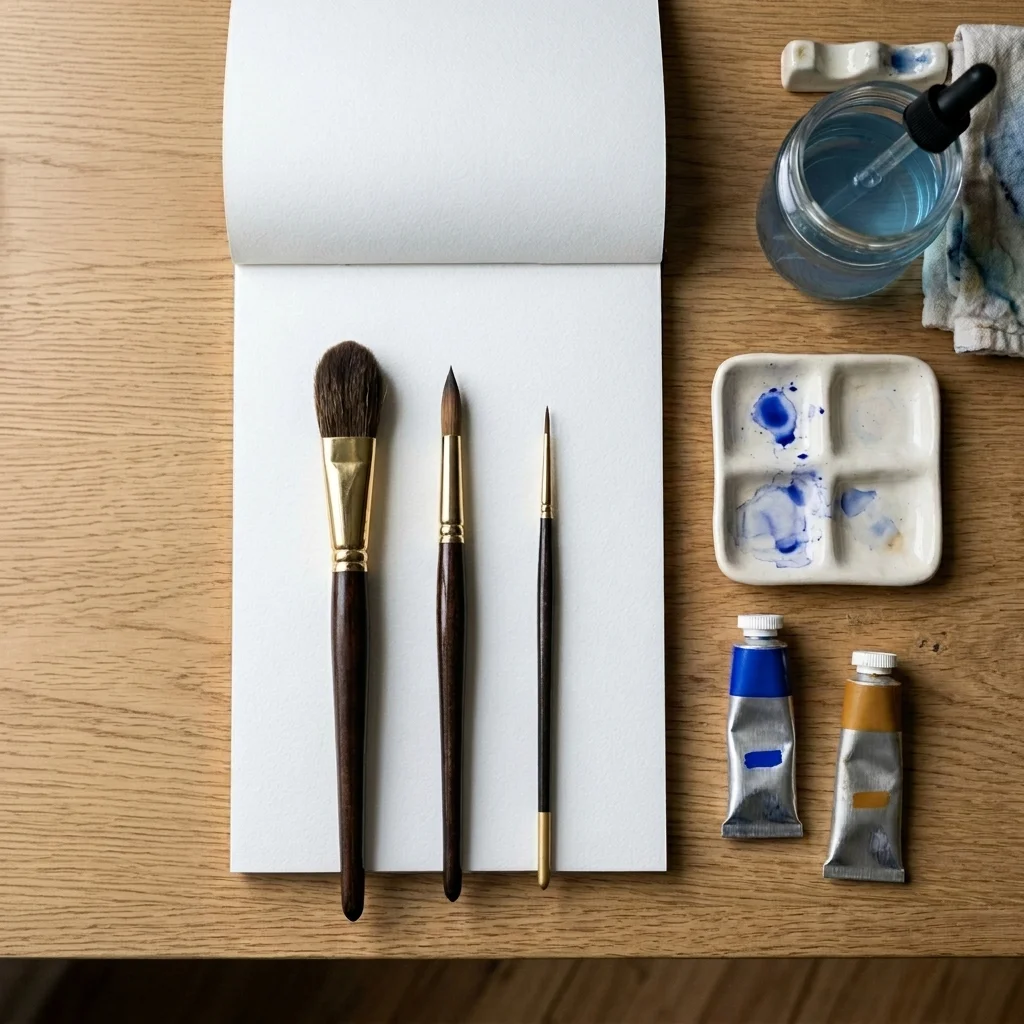
A complete beginner's guide to equipment
Stop buying massive sets. Discover exactly what brushes, paper, and paints you need to start painting professionally.
Read Post →Step-by-step guides to master watercolor techniques and bring your birds to life.
Tutorials are arranged in a natural beginner-friendly progression, though each guide can also be explored on its own.
Avoid choice paralysis. I have structured my free guides into a progressive learning path to take you from a curious beginner to a confident bird painter.
Gather the right tools. Learn about professional pigments, cotton paper, block stretching, and easels.
Explore Phase 1 ↓Master the physical dynamics of water control, transparent glazing, depth, and clean layering.
Explore Phase 2 ↓Paint realistic details: high-contrast catchlight eyes, 3D beaks, and sweeping wing textures.
Explore Phase 3 ↓Map out composition and value before wetting the sheet, and preserve freshness by finishing early.
Explore Phase 4 ↓Get your studio set up for success. Low-quality student grade paint or cellulose wood pulp paper is the number one reason beginners struggle. In this phase, you will learn exactly what supplies to buy (and what to skip) and how to prepare your paper to handle heavy watercolor washes.
Stop buying massive sets. Discover exactly what brushes, paper, and paints you need to start painting professionally.
Read Post →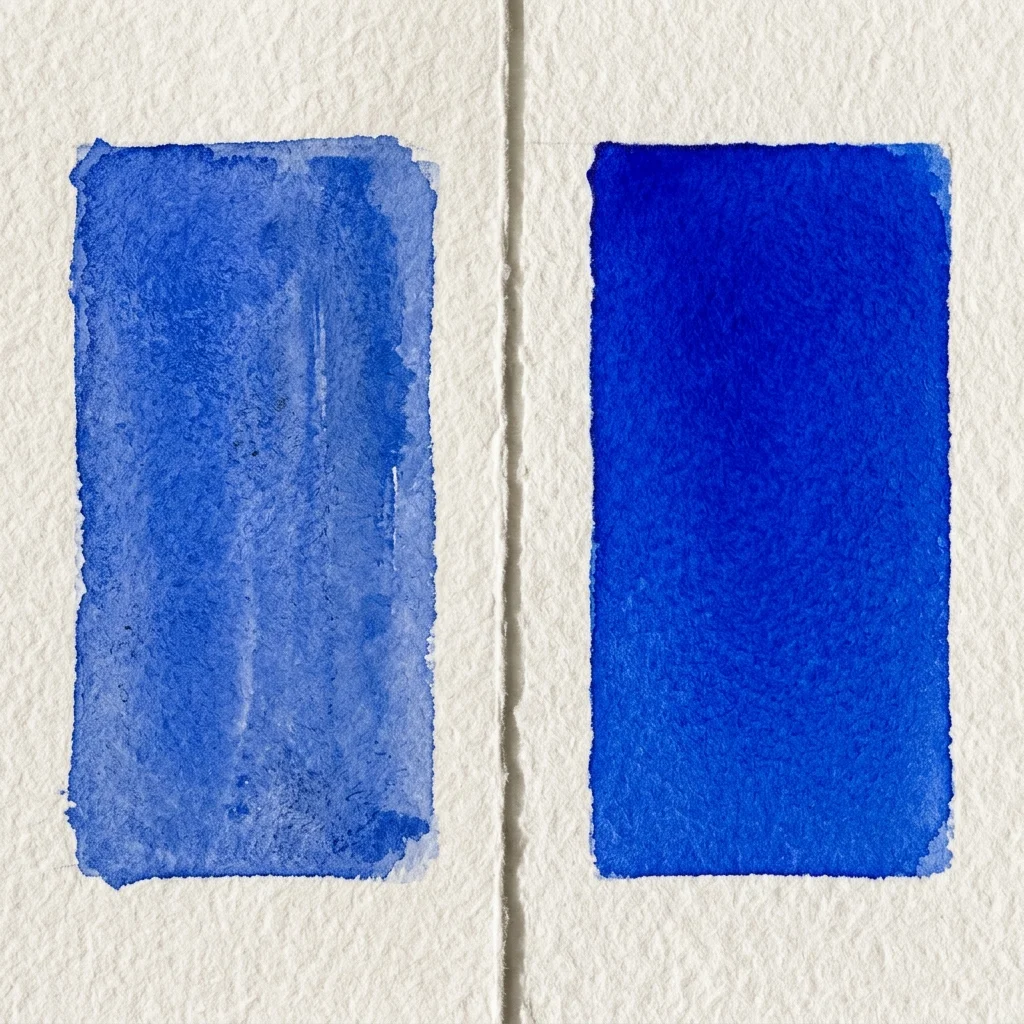
Watercolor is entirely about transparency. Discover why cheap student craft paints fight you every step of the way, and why upgrading is the fastest path.
Read Post →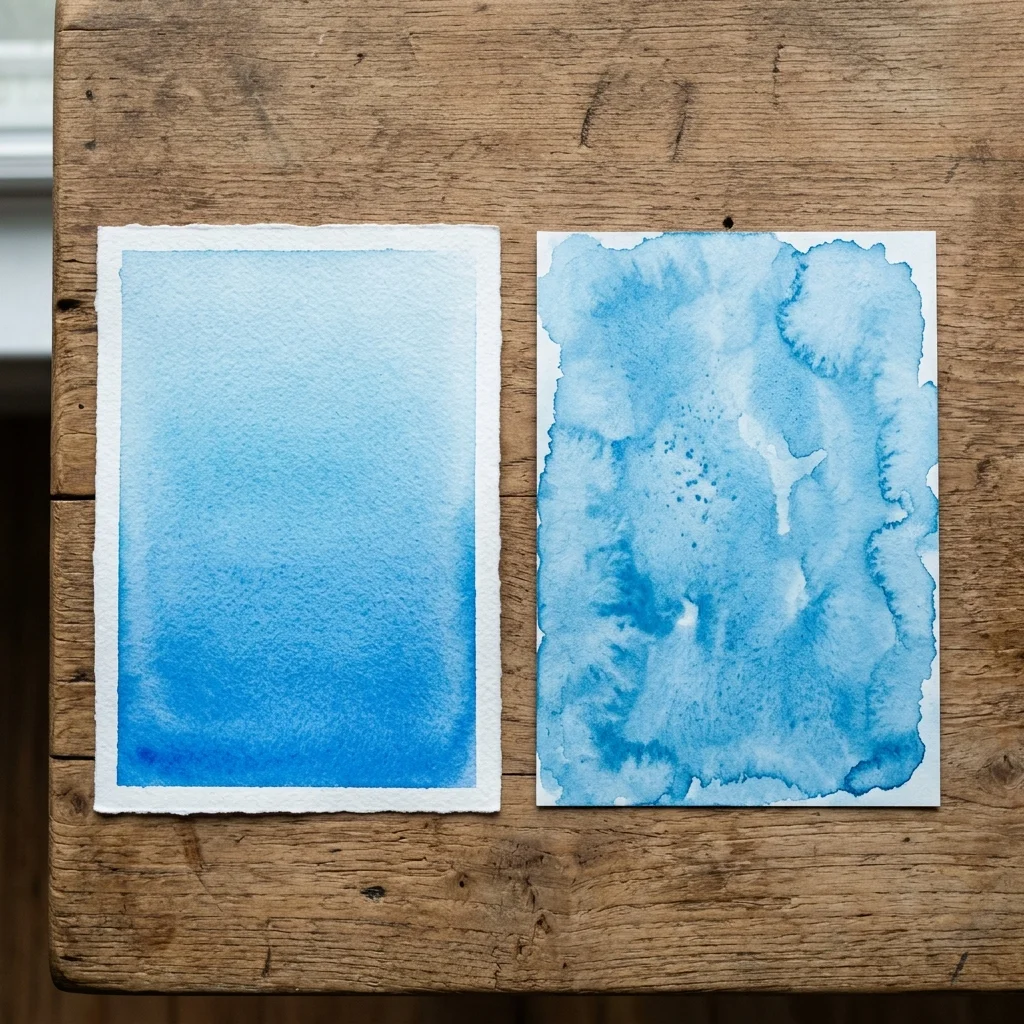
If you are struggling with patchy washes and hard edges, the paper is likely fighting against you. See the side-by-side difference.
Read Post →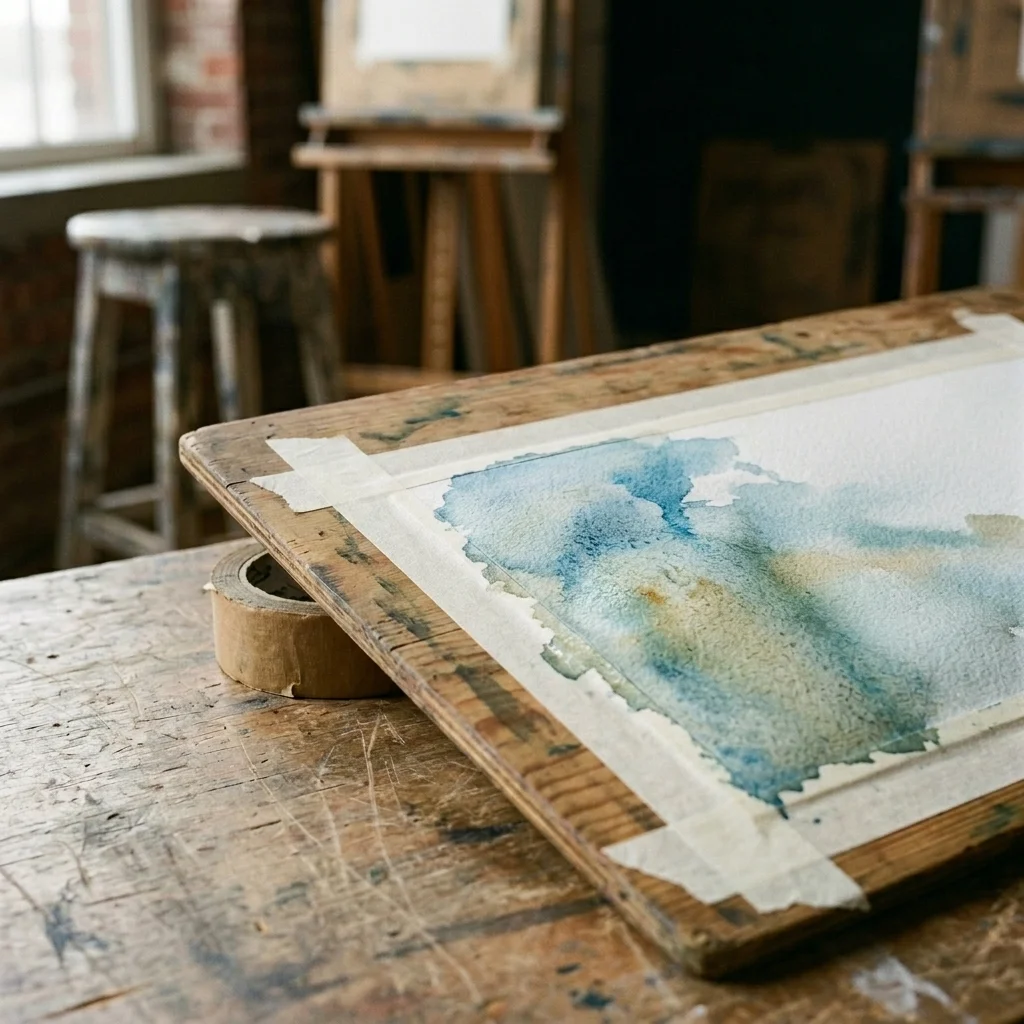
Gravity is your silent partner in watercolor. Find out exactly why a simple 15-degree tilt can transform your washed skies.
Read Post →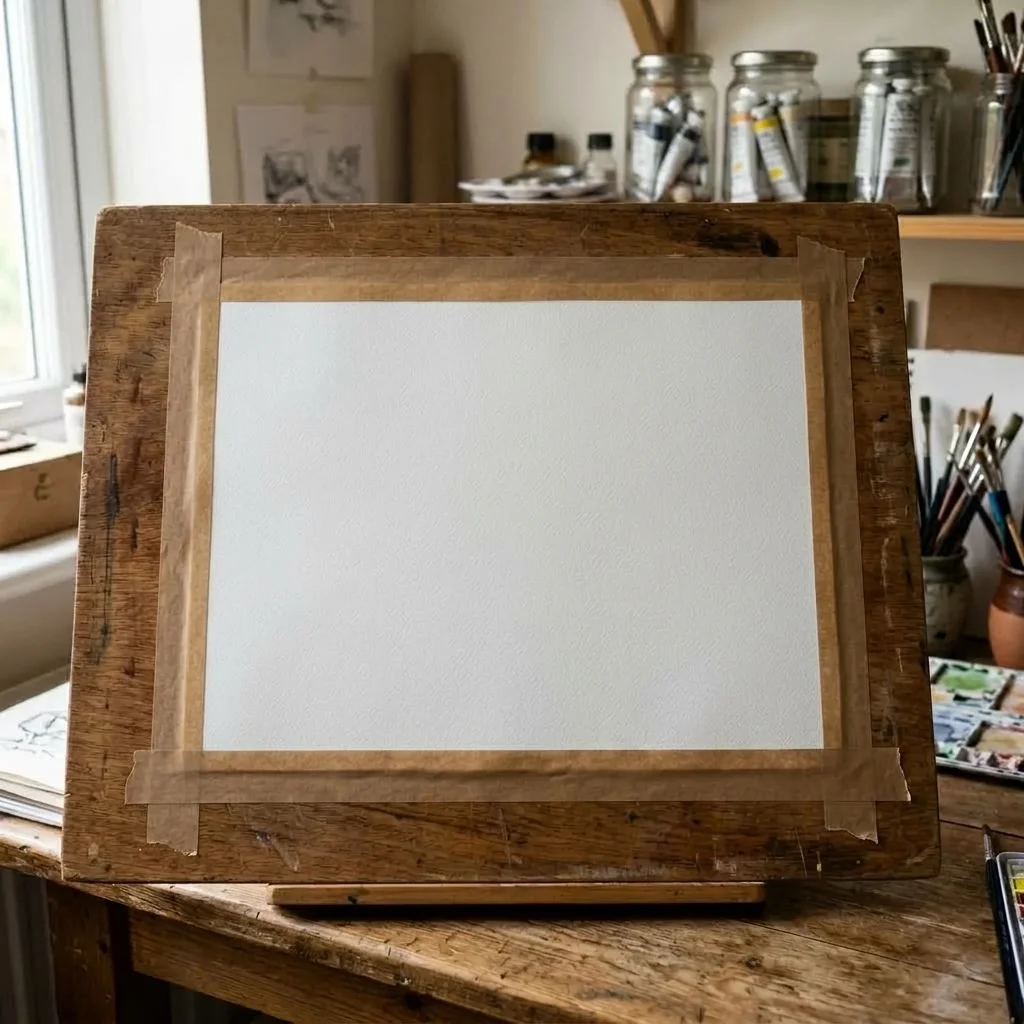
One of the most frustrating things is seeing a flat sheet of paper turn into a wrinkled landscape. Learn why this happens and how to prevent it.
Read Post →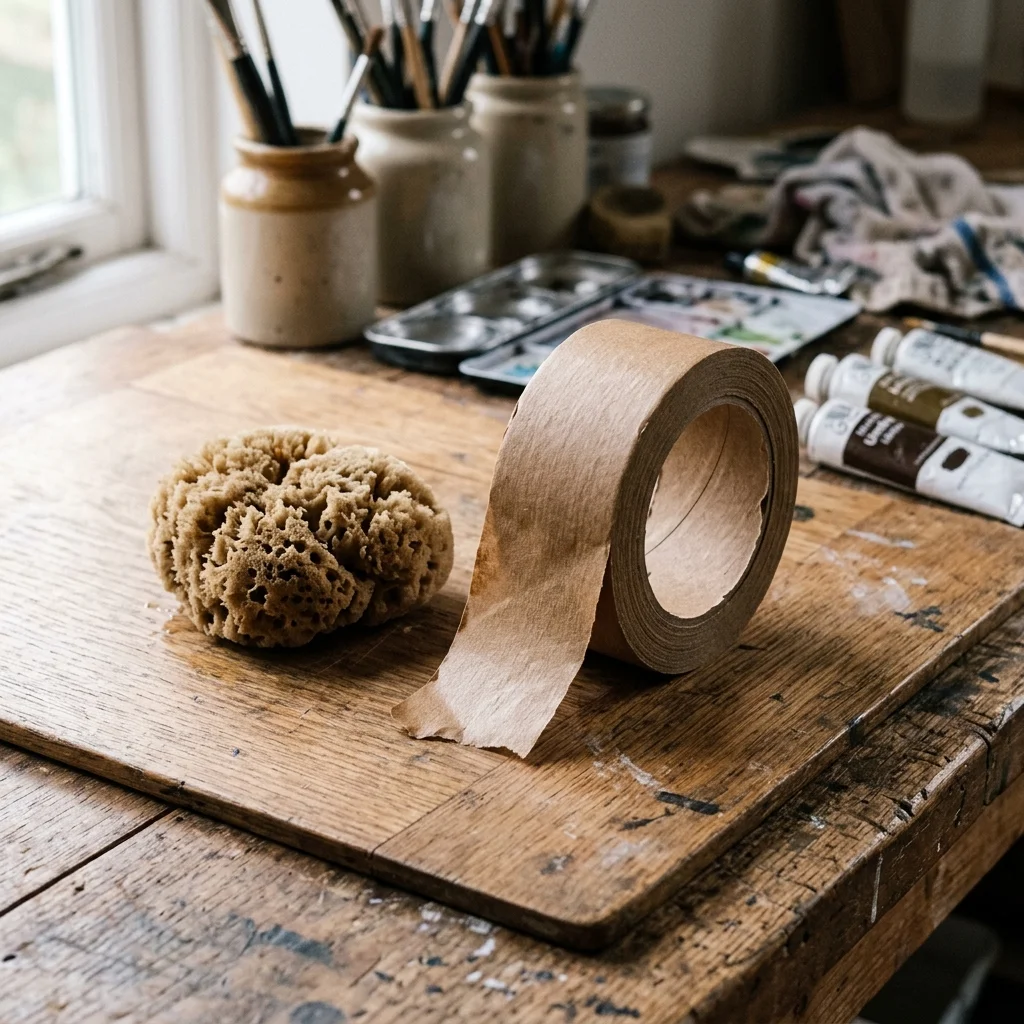
Stretching paper sounds intimidating, but it’s just water, tape, and patience. Follow this foolproof method to prepare your paper for heavy washes.
Read Post →Watercolor is unique because of its fluidity. In this phase, you will master the physics of the medium: water control. You will learn the four states of your brush, how to overlay transparent washes without reactivating underlying paint, and why tracing actually helps you learn watercolor faster.
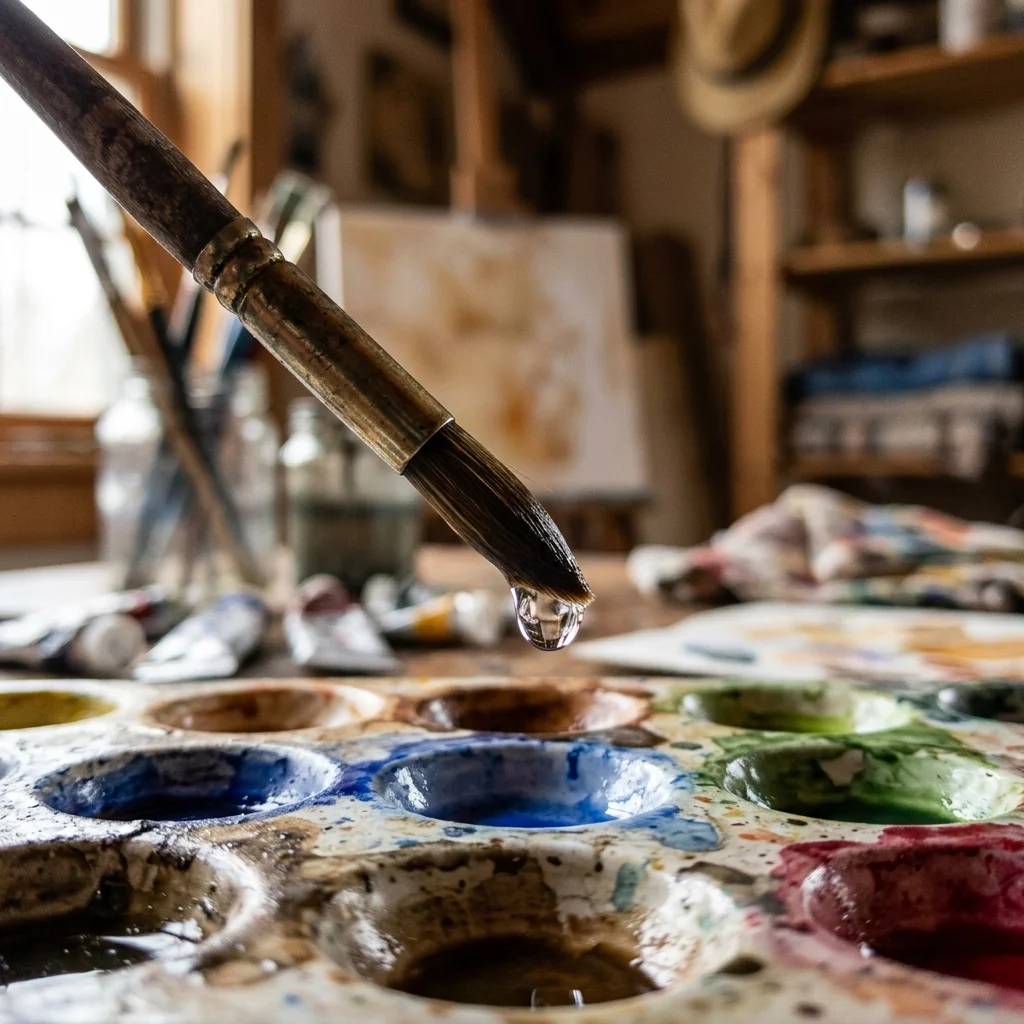
The amount of water on your brush and paper determines every outcome. Learn the four brush states, loading methods, and the secret to flawless washes.
Read Post →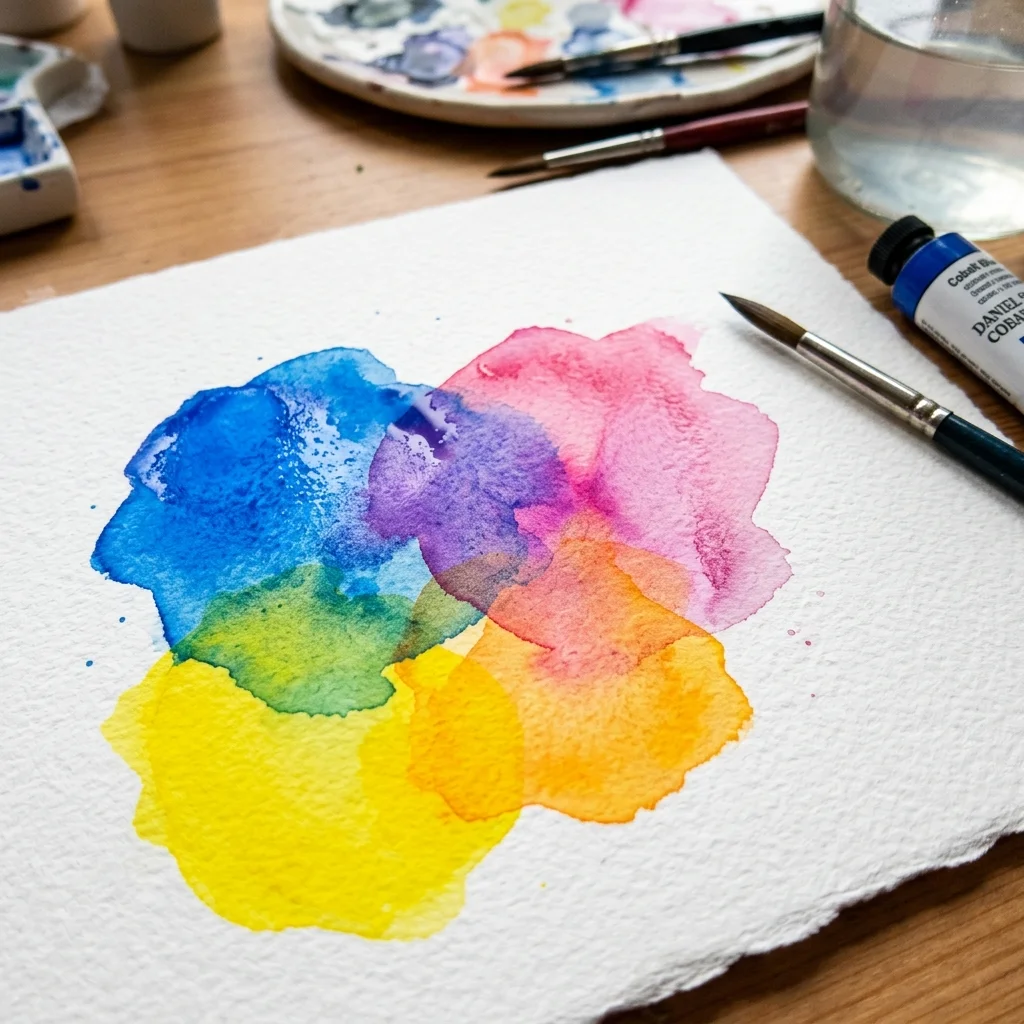
Are your bright, beautiful pigments drying into dull, brownish puddles? Learn the 3 big mistakes beginners make when glazing layers.
Read Post →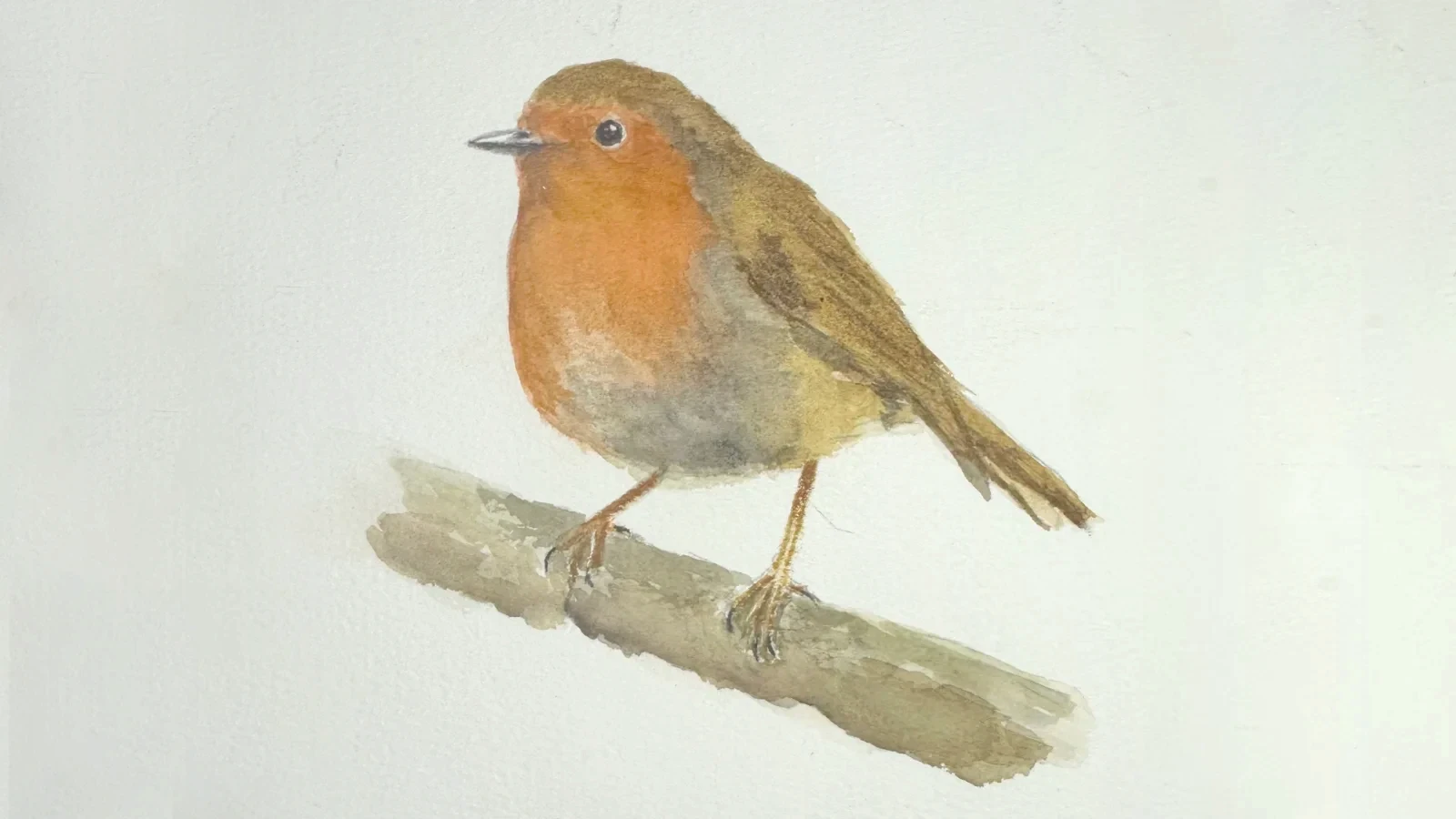
Stop painting flat birds. Learn the two types of shadows and how to simplify them to instantly add depth and form.
Read Post →
Explain warm and cool colors, temperature bias, and how to improve color mixing and depth to reduce muddy mixtures.
Read Post →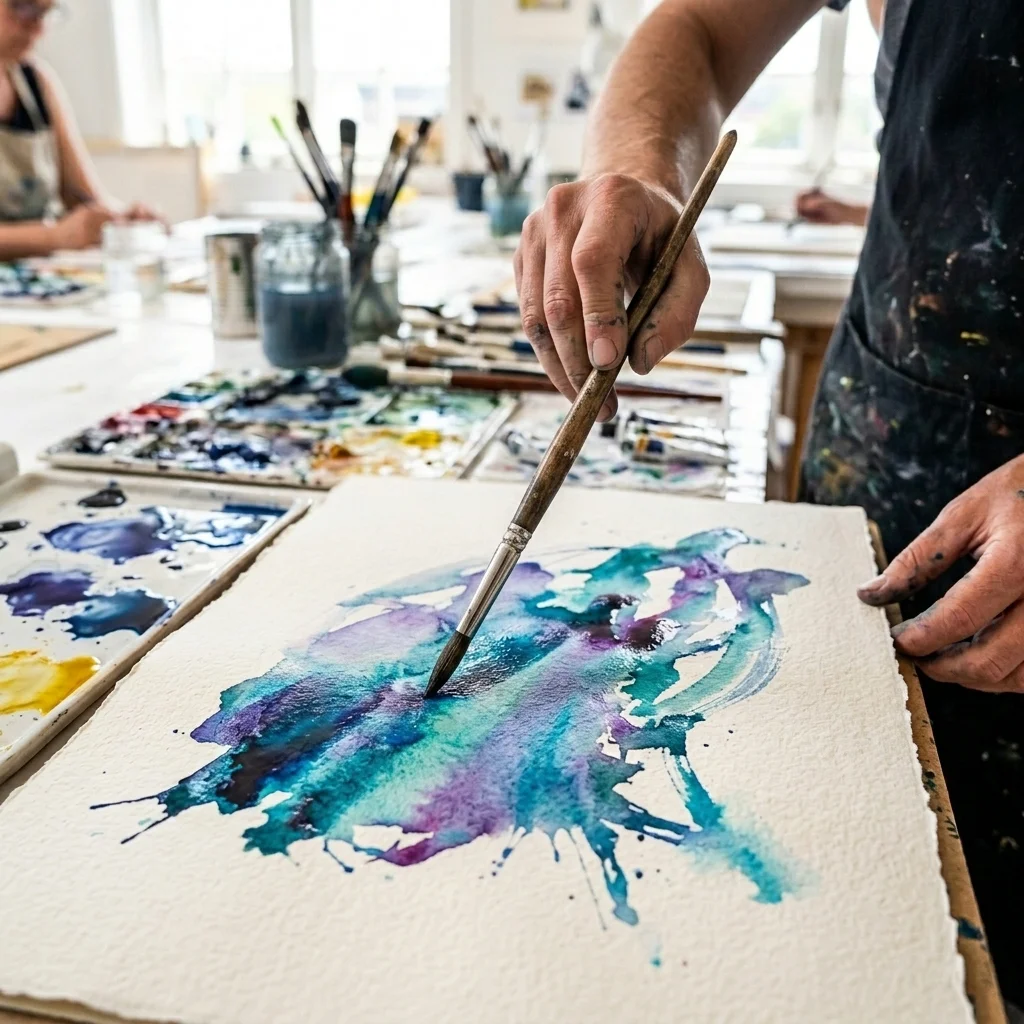
Loosening up tight paintings starts with how you physically hold the brush. Unlearn tight control methods and discover expressive brush strokes.
Read Post →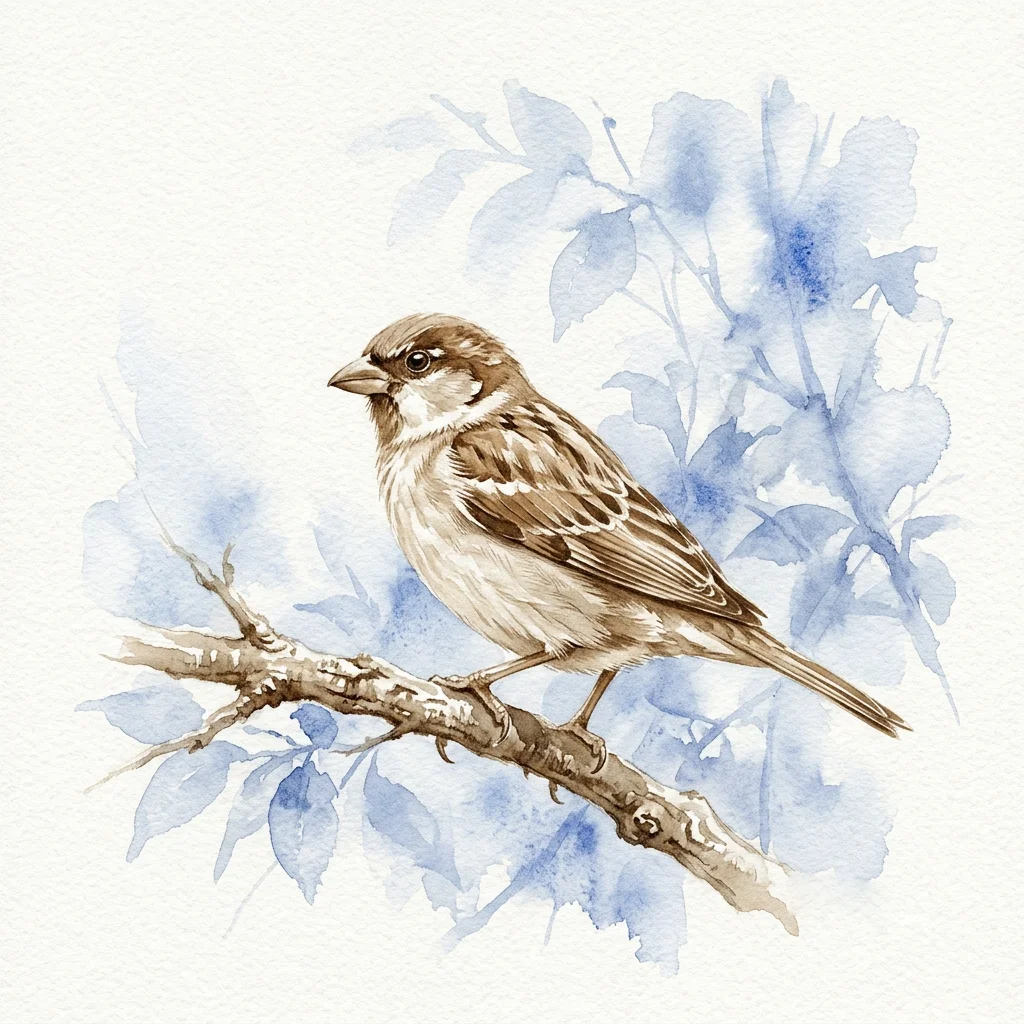
Creating incredible depth on a two-dimensional sheet of paper doesn't require mud. Master value contrast and color temperature ranges.
Read Post →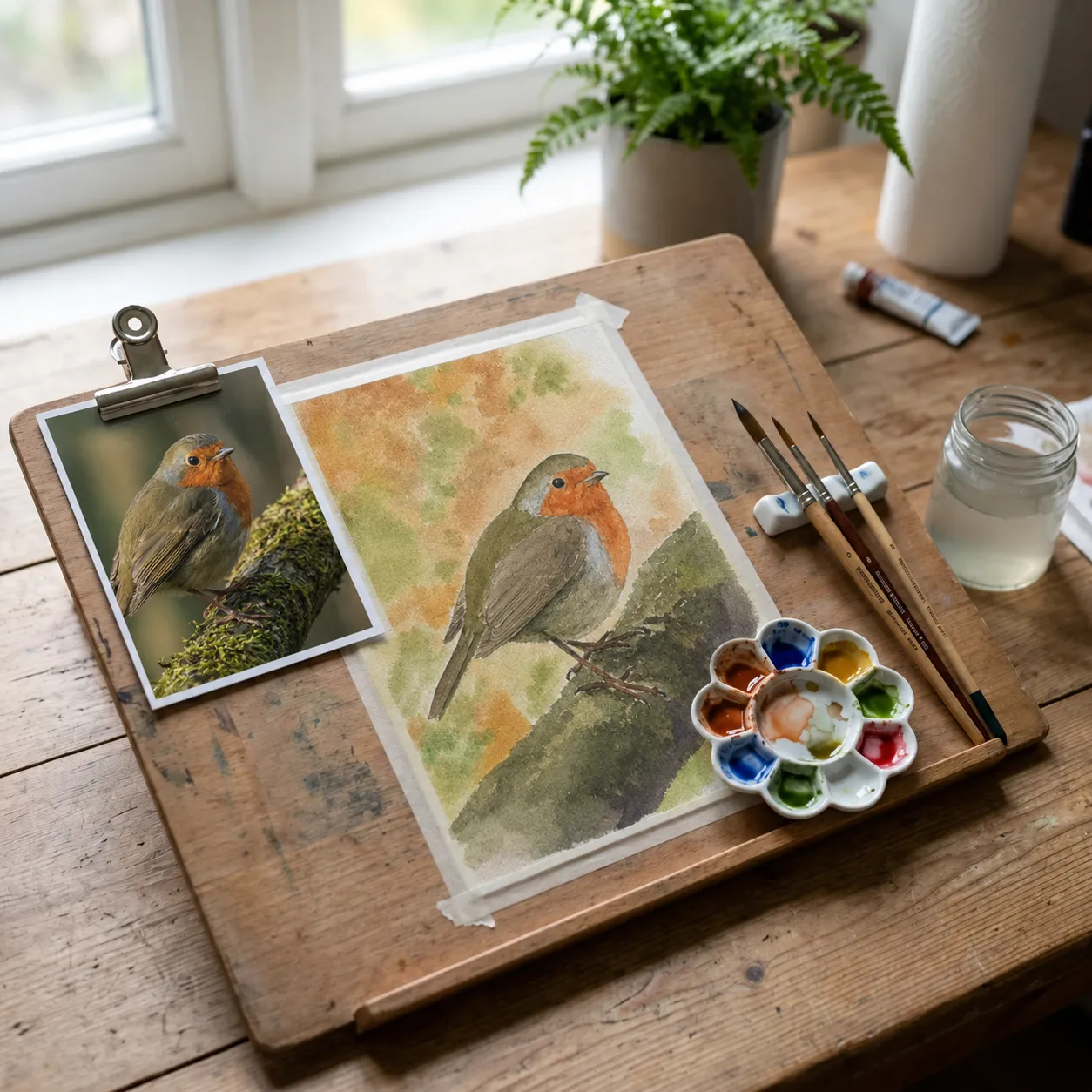
A common misconception is that tracing is "cheating." Learn why separating your drawing from your painting accelerates watercolor progress.
Read Post →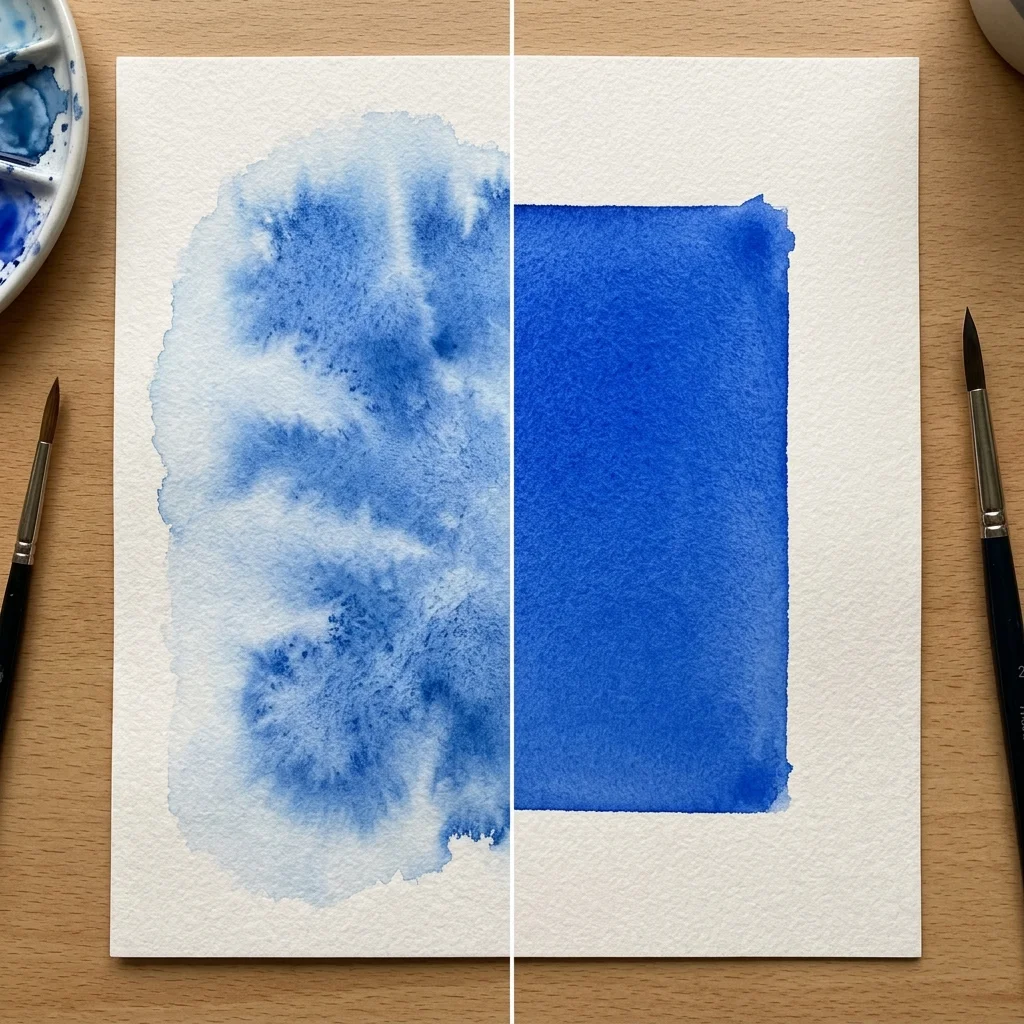
Understanding the two foundations of watercolor. Learn exactly when to use each technique to avoid blooms and create atmospheric paintings.
Read Post →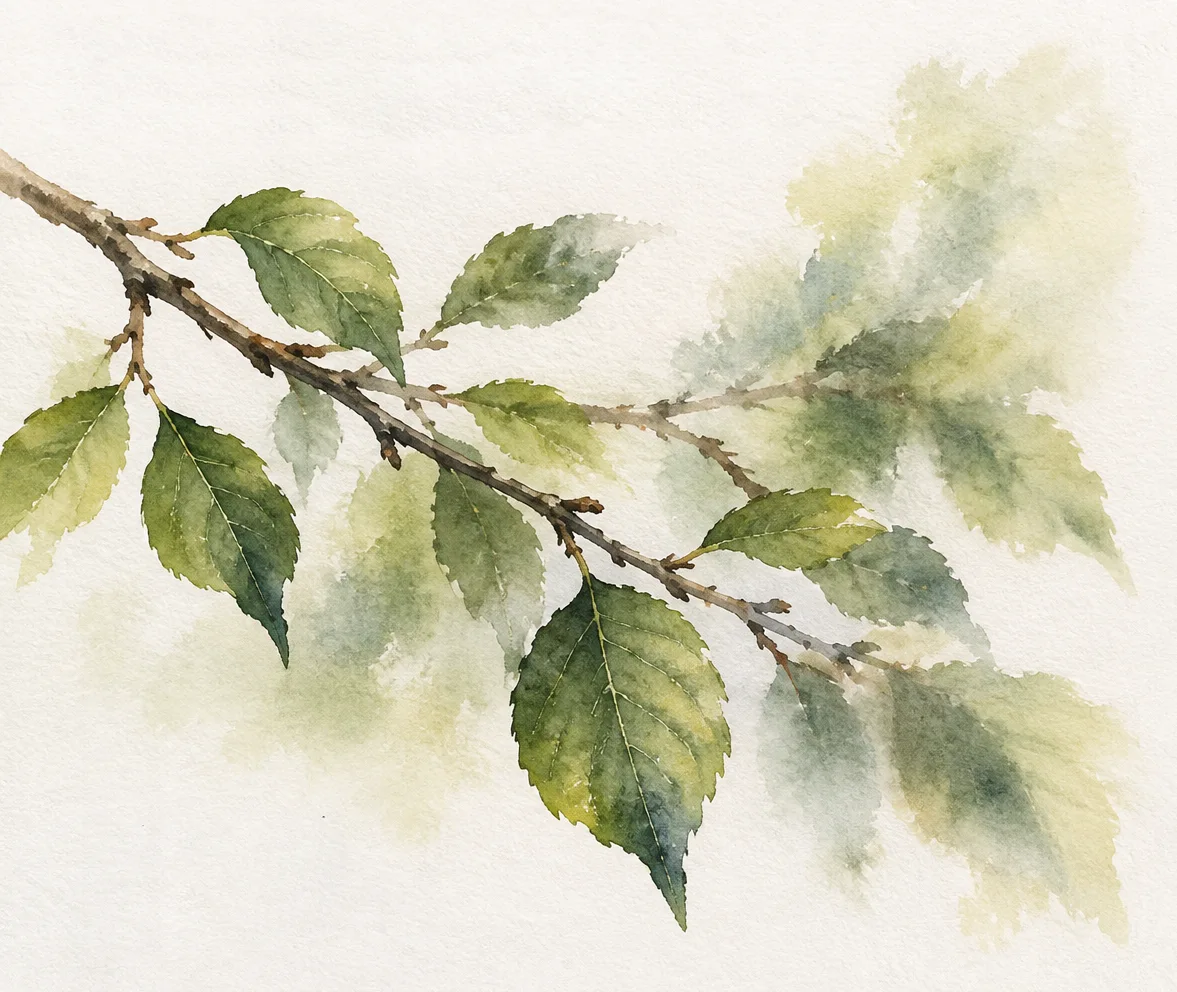
Stop your paintings from looking "cut out". Learn how to vary your edges to make your watercolor paintings feel more natural.
Read Post →Apply your water control skills to songbird details. Learn the secrets of painting deep, high-contrast avian eyes, three-dimensional reflective beaks, sweepingly soft negative-space feather textures, and framing background elements.
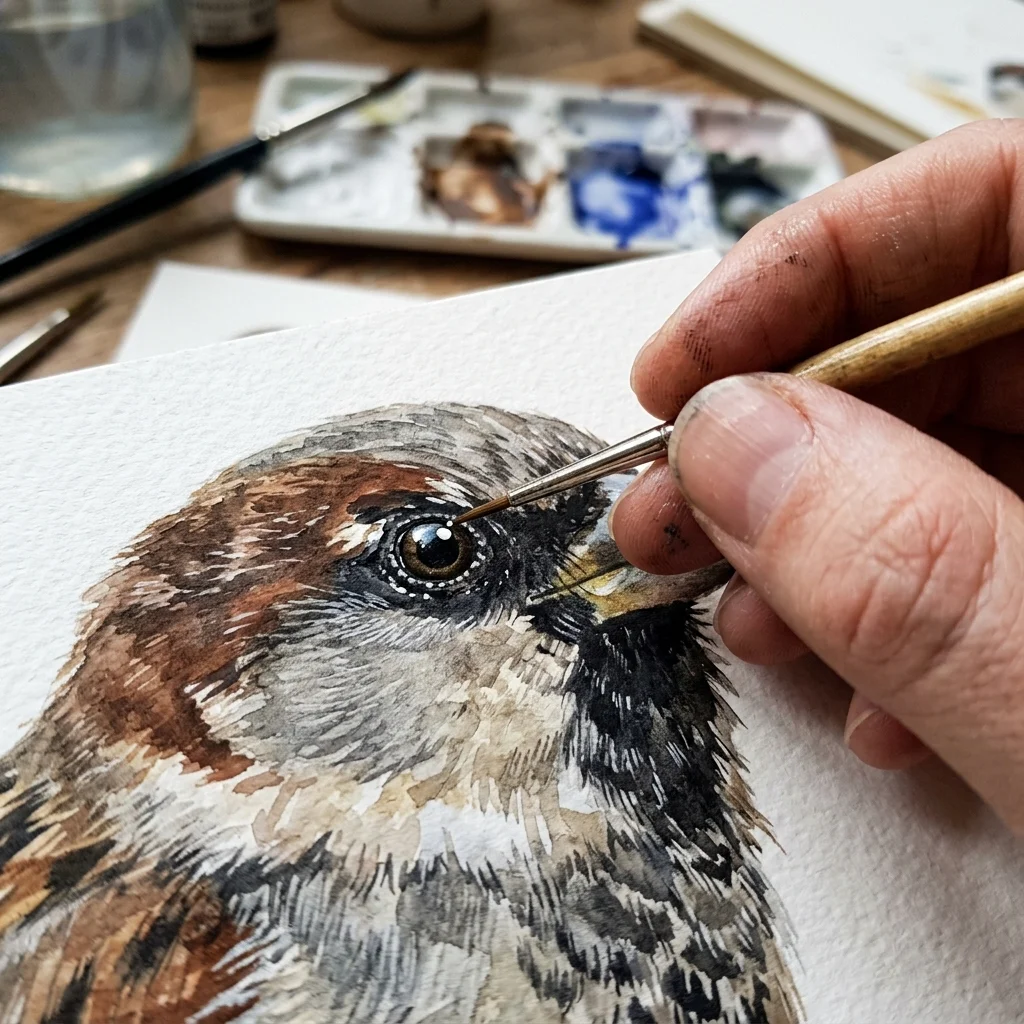
Stop painting flat black circles. Learn how preserving a tiny white paper catchlight instantly breathes life, volume, and depth into your birds.
Read Post →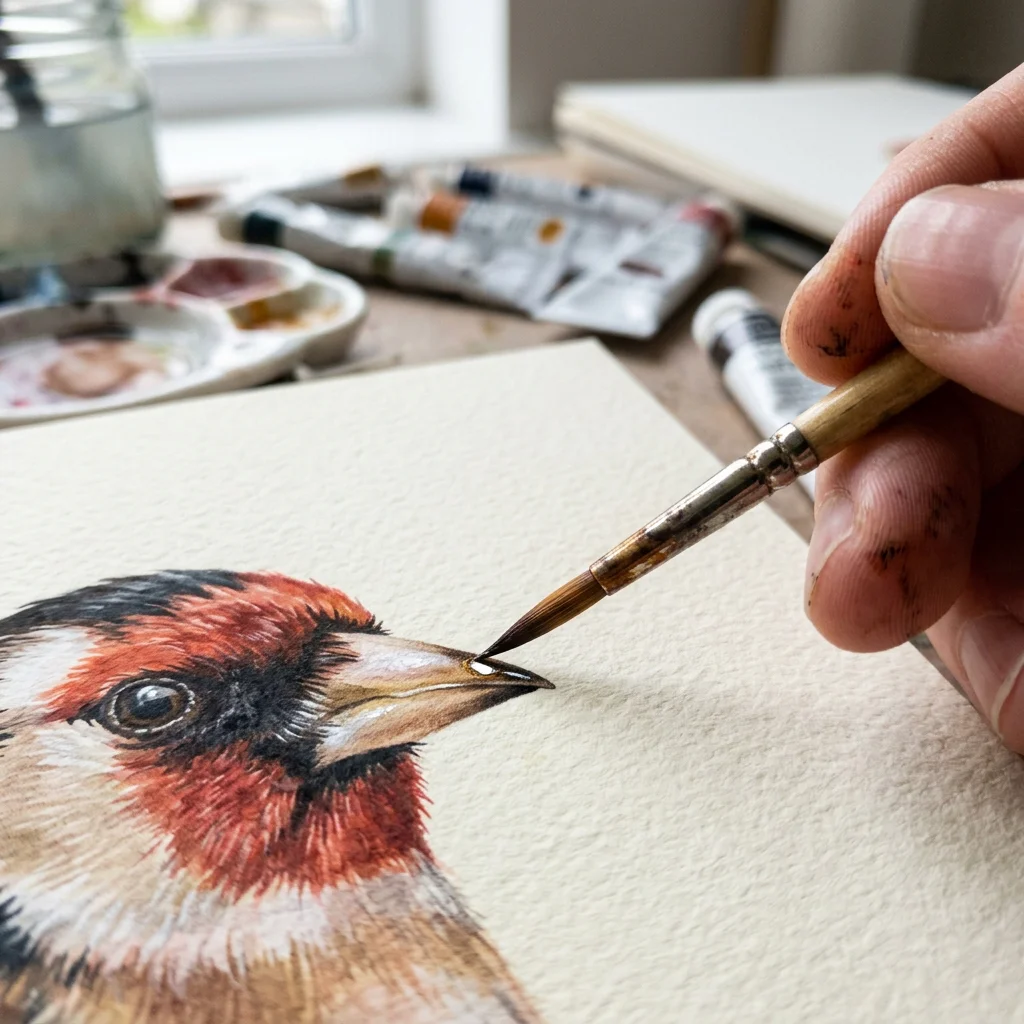
Stop pasting flat colored triangles onto your birds. Use subtle shadows and highlights to make beaks look reflective and solid.
Read Post →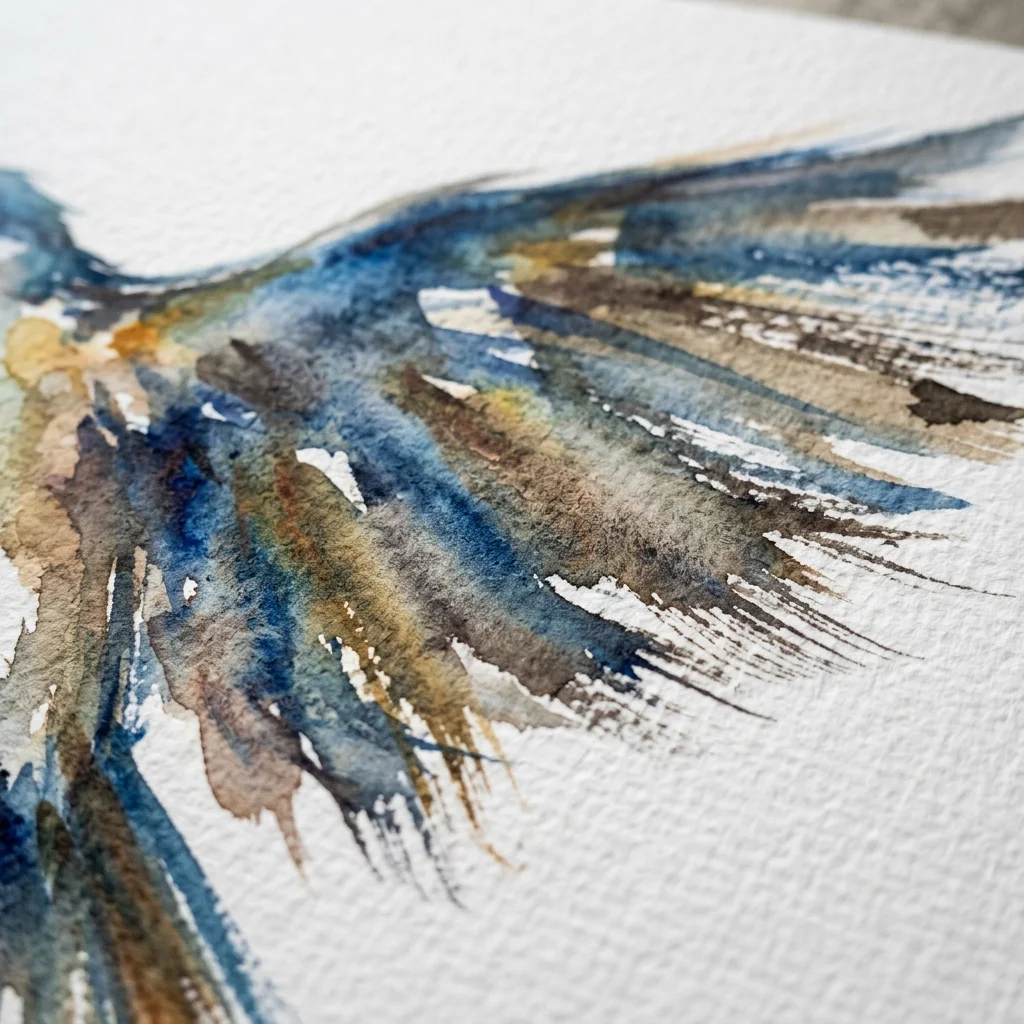
Don't try to outline every single feather. Let the watercolor do the heavy lifting using sweeping negative space and dry-brush strokes.
Read Post →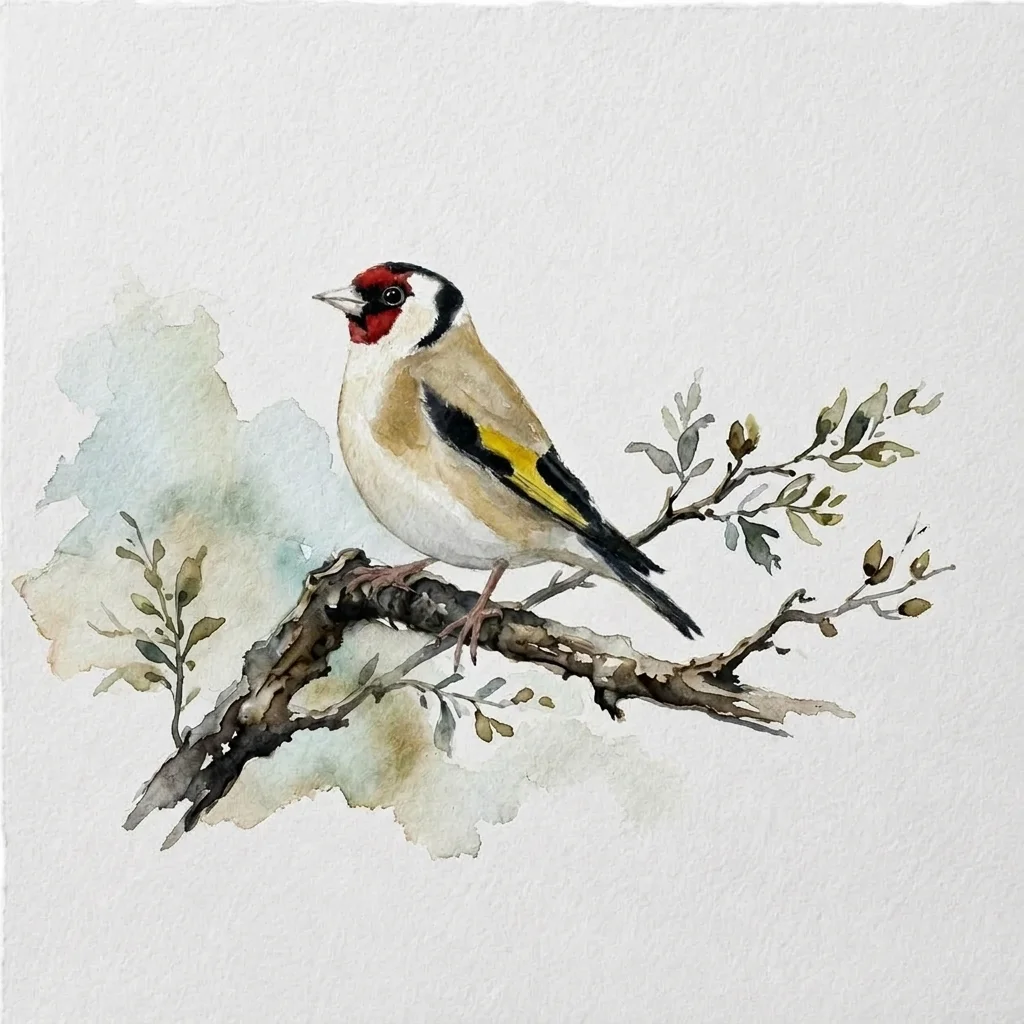
Don't feel the need to paint edge-to-edge. Learn when to leverage clean white paper space to powerfully frame your avian subjects.
Read Post →Settle your painting strategy and composition while the paper is dry. In this final phase, you will master the art of foresight—mapping values, choosing color harmony palettes, recognizing planning mistakes, and learning when to step away from the easel.
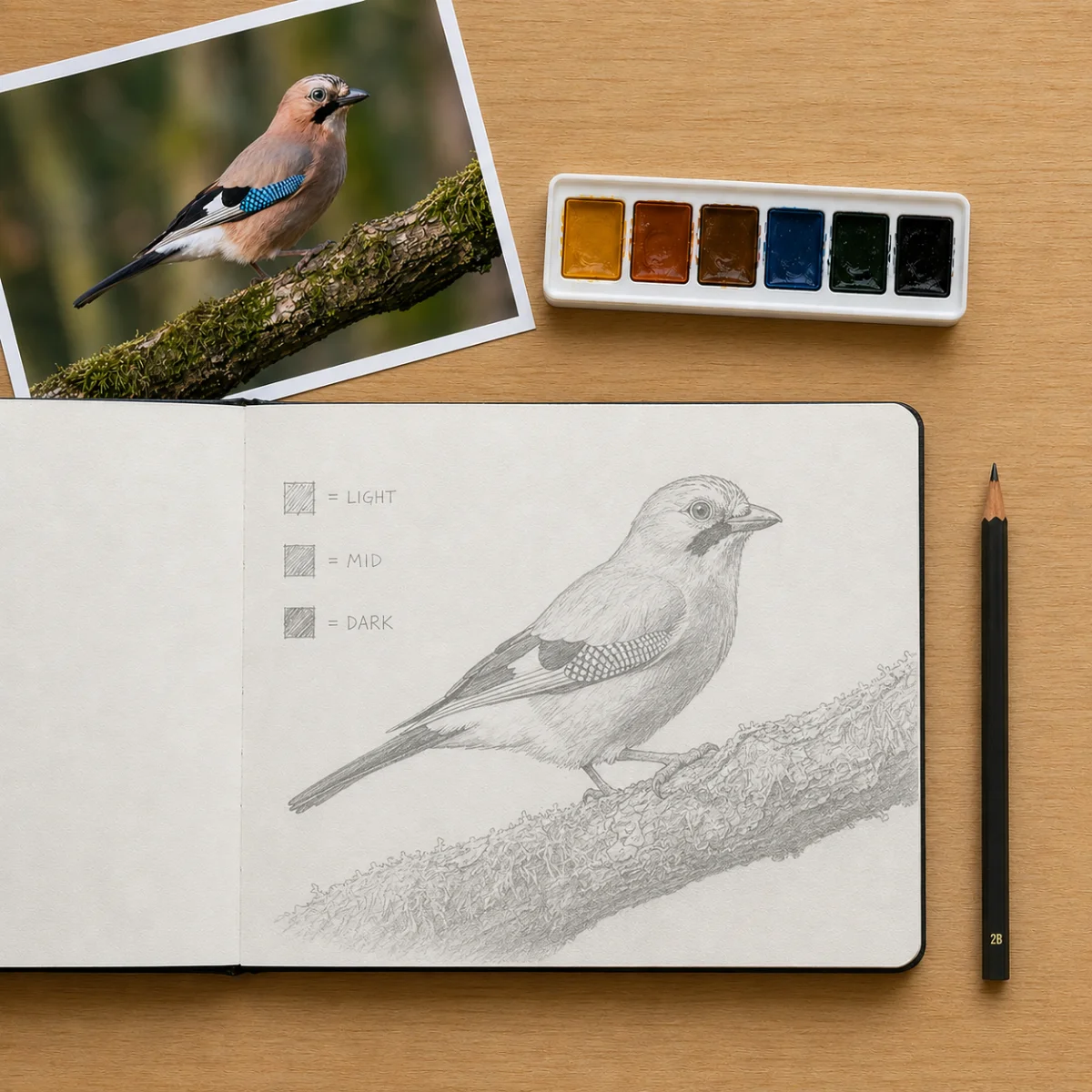
Settle your strategy while the paper is dry. Learn how to map out composition, values, palette, and light source to guarantee a beautiful result.
Read Post →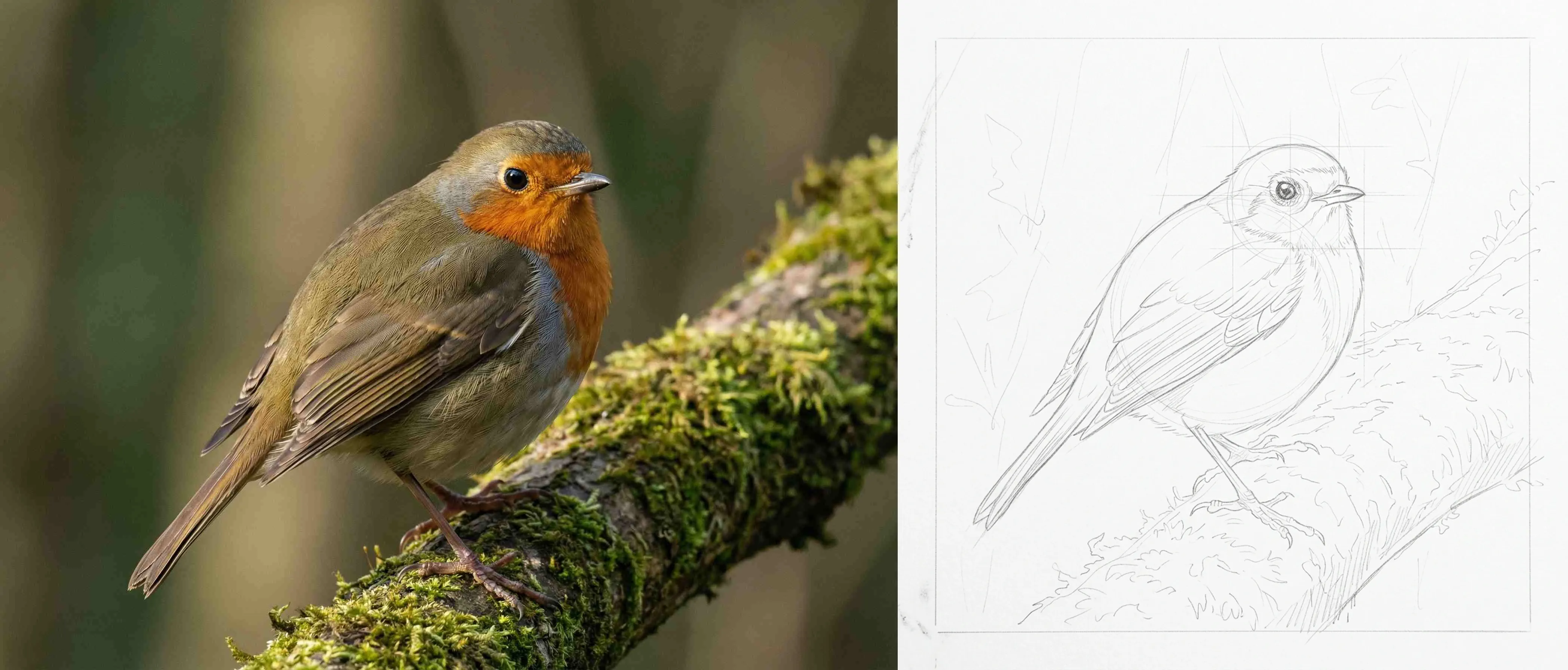
Overwhelmed by too much detail? Learn how to break down complex photos into simple shapes and clear value masses before you paint.
Read Post →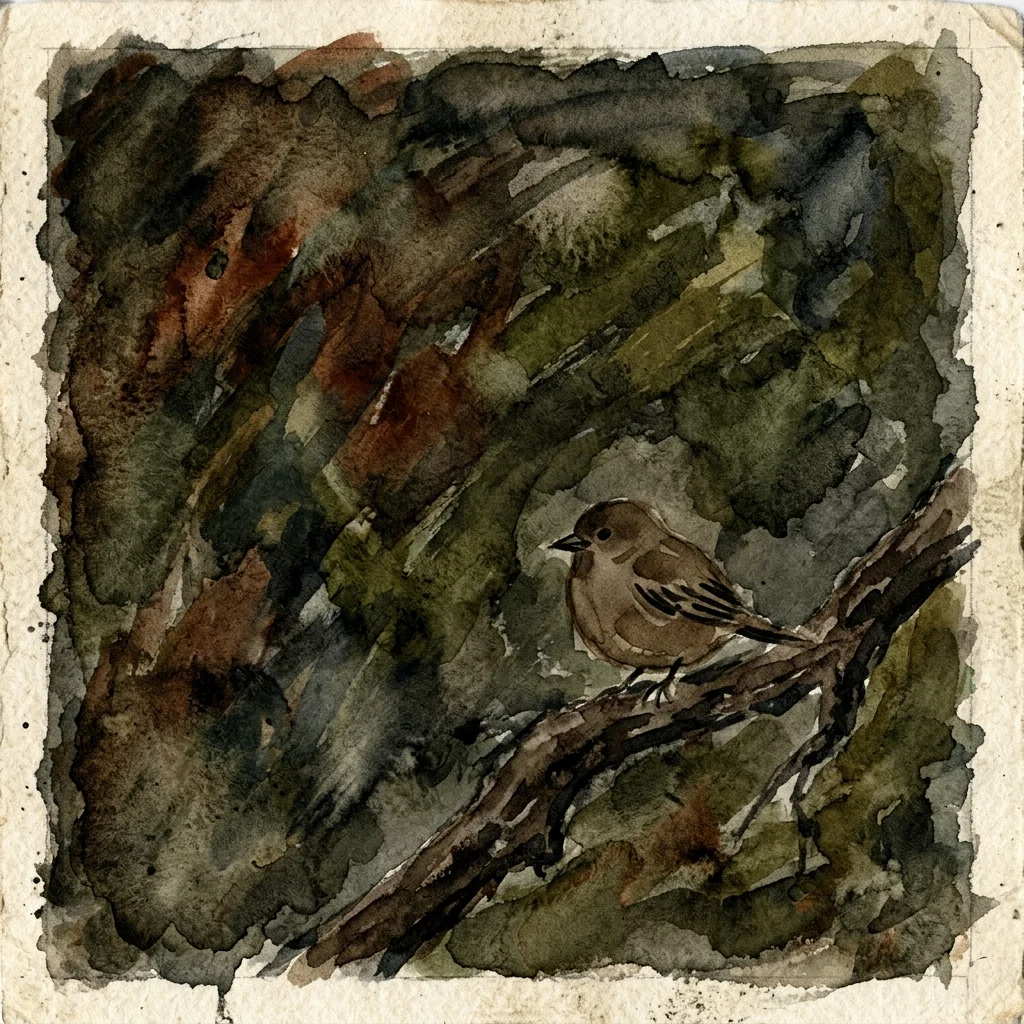
Learn how to paint supportive, elegant backgrounds that let your main subject shine.
Read Post →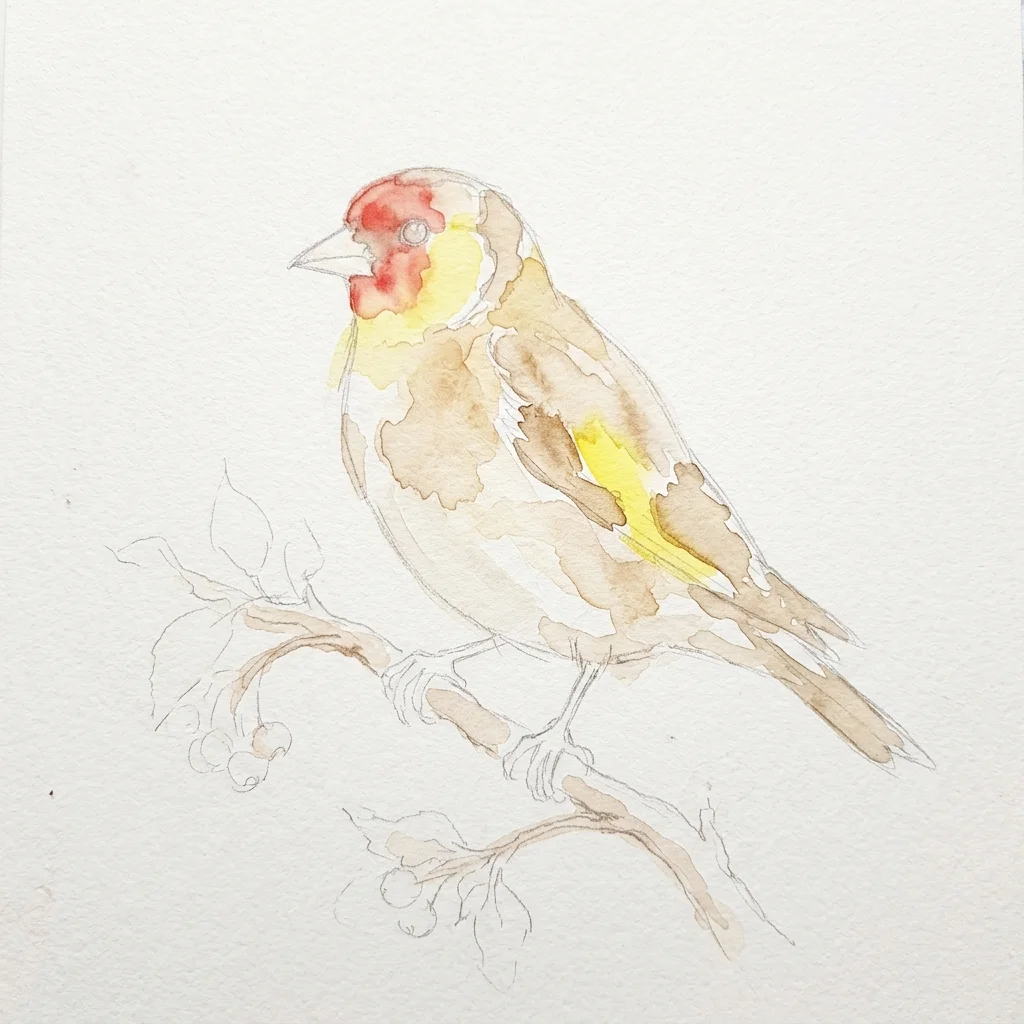
Watercolor is a medium of momentum. Discover the 5 planning traps that ruin a painting before the first wash even dries.
Read Post →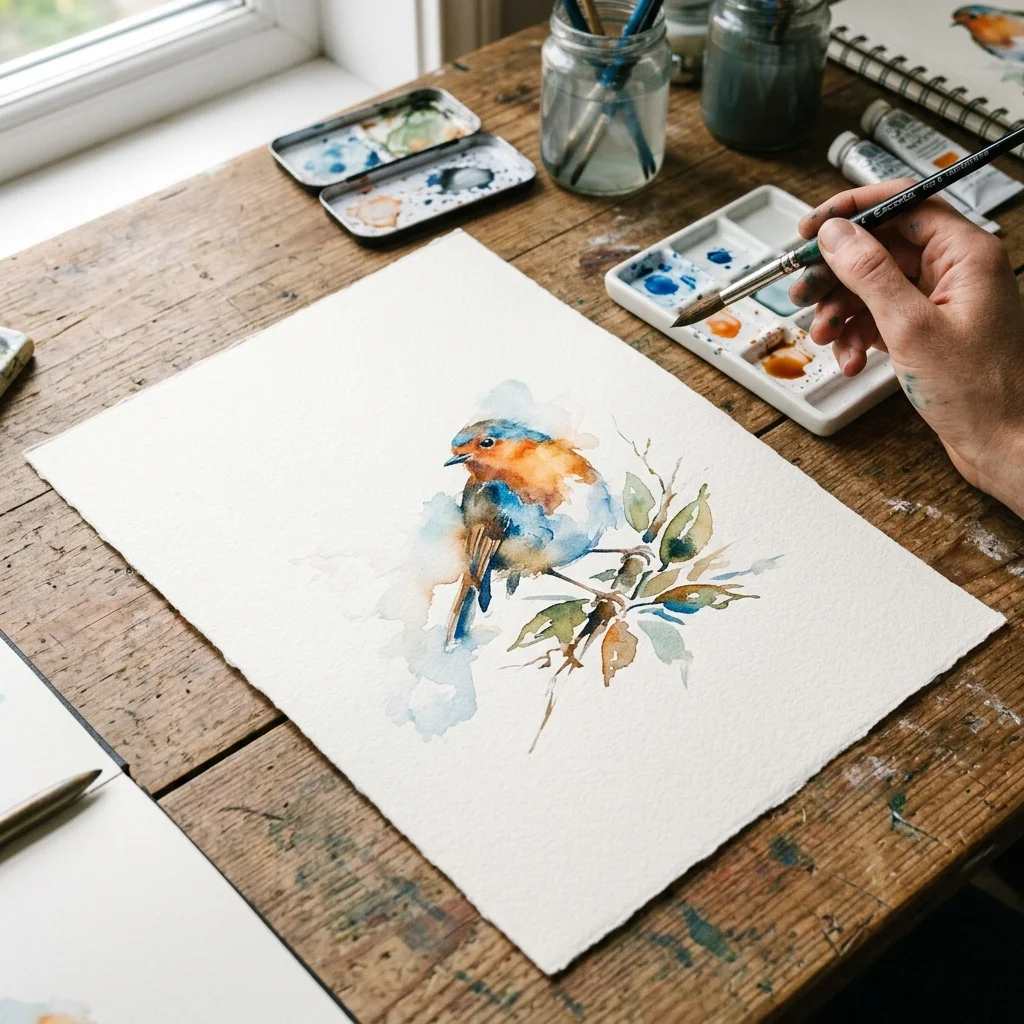
If you keep layering and fussing, the freshness disappears. Learn how to preserve the life of your painting by stepping away early.
Read Post →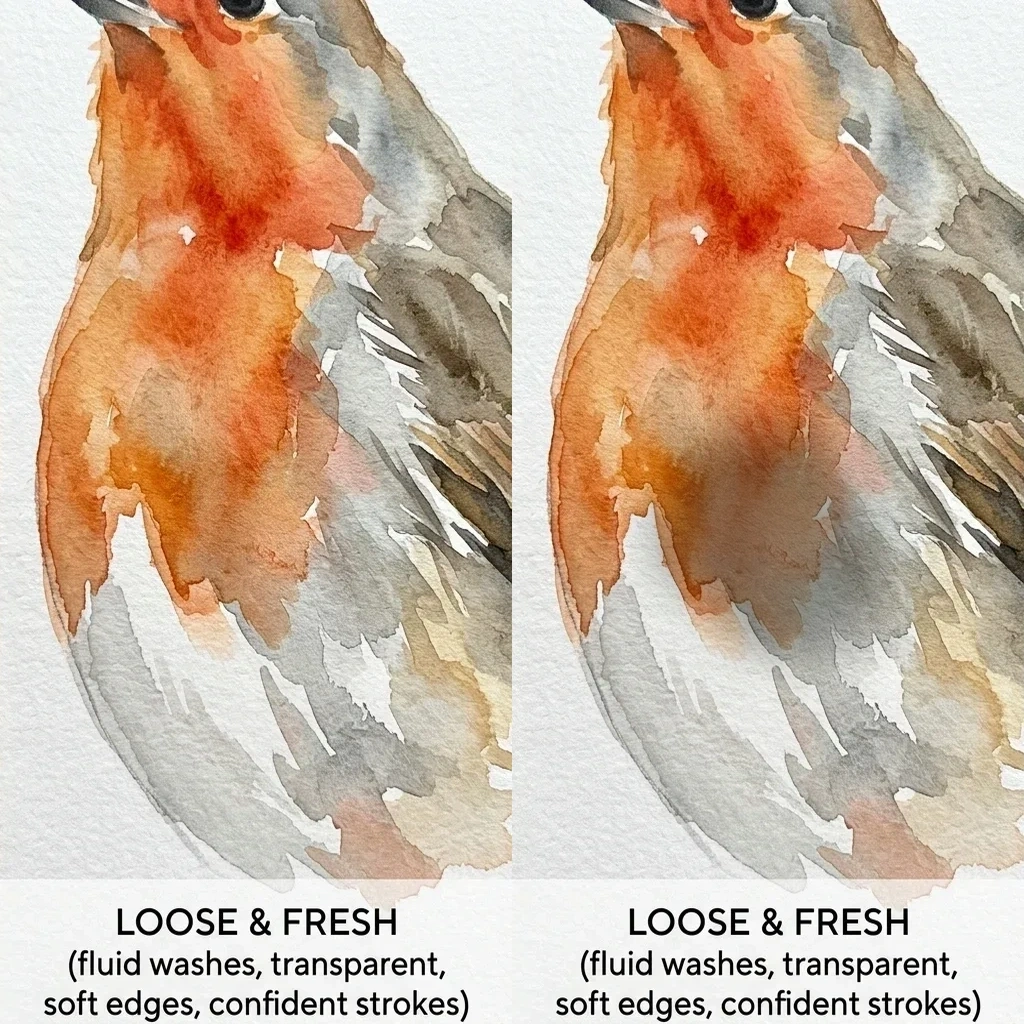
Learn exactly what NOT to paint at the very end to avoid overworking and muddy colors.
Read Post →