How to know when a painting is finished
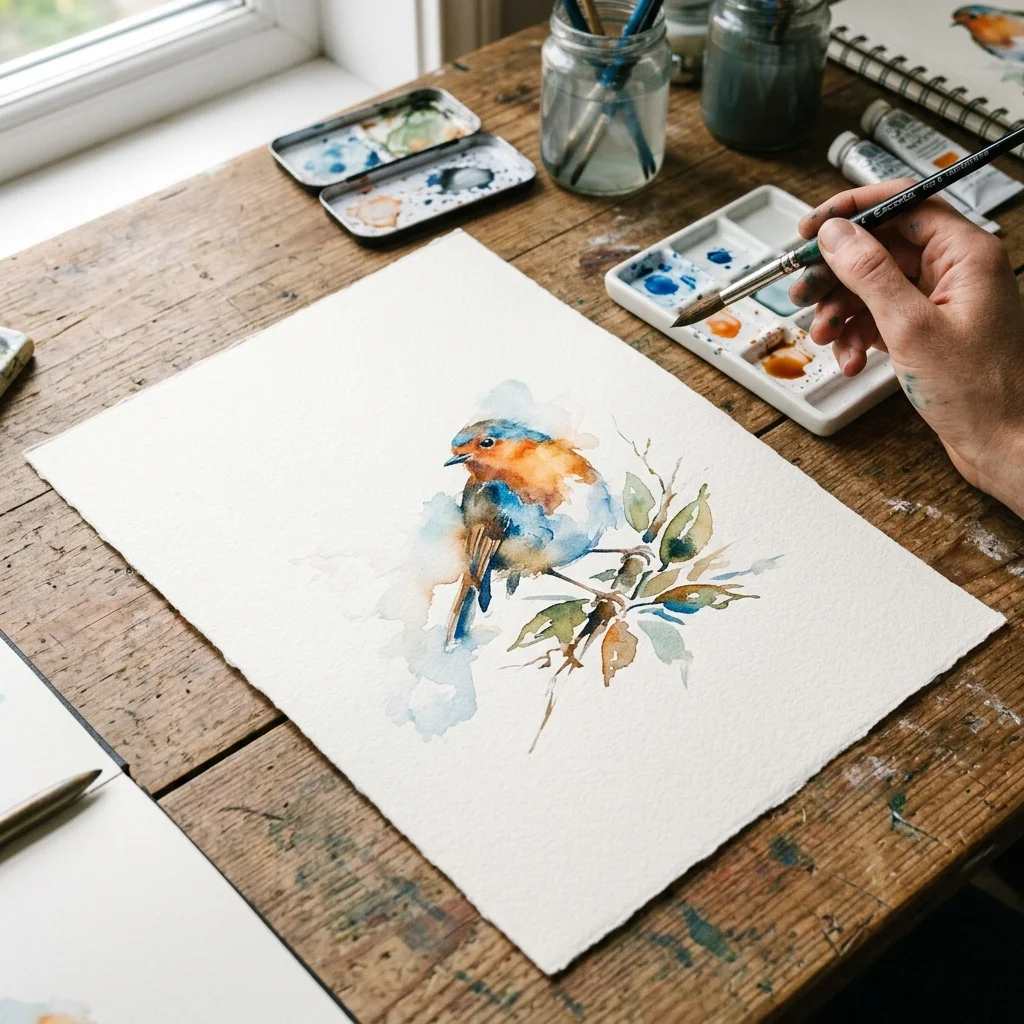
"I always ruin my painting at the very end by adding 'just one more detail'."
Every watercolor painter has done this. The painting is going beautifully —you're almost there—and then you keep going. One more shadow. One more line. One more pass of the brush. And somewhere in those last five minutes, the life drains out of it.
The cruel irony of watercolor is that it punishes overworking more than any other medium. With acrylics or oils, you can paint over a mistake. With watercolor, every additional layer dulls the one beneath it. The freshness you're trying to capture is often destroyed in the final 10% of the painting.
So the skill isn't knowing what to add. It's knowing what to leave alone.
The 90% Rule
Professional watercolorists talk about stopping when the painting feels 90% done. That moment when you think it just needs one more tiny line here — that's your signal to put the brush down, not pick it up.
STEP AWAY FROM THE DESK
It feels wrong at first. The painting seems unfinished. But step back ten feet and look at it from across the room. If the broad shapes clearly read as your subject, those missing details aren't missing at all — they exist in the viewer's imagination, which is far more powerful than anything you could paint in.
Still not sure? Leave the room entirely. Come back in twenty minutes. Fresh eyes almost always confirm what you already suspected: it was finished before you thought it was.
Your Unpainted Paper Is Doing More Work Than You Think
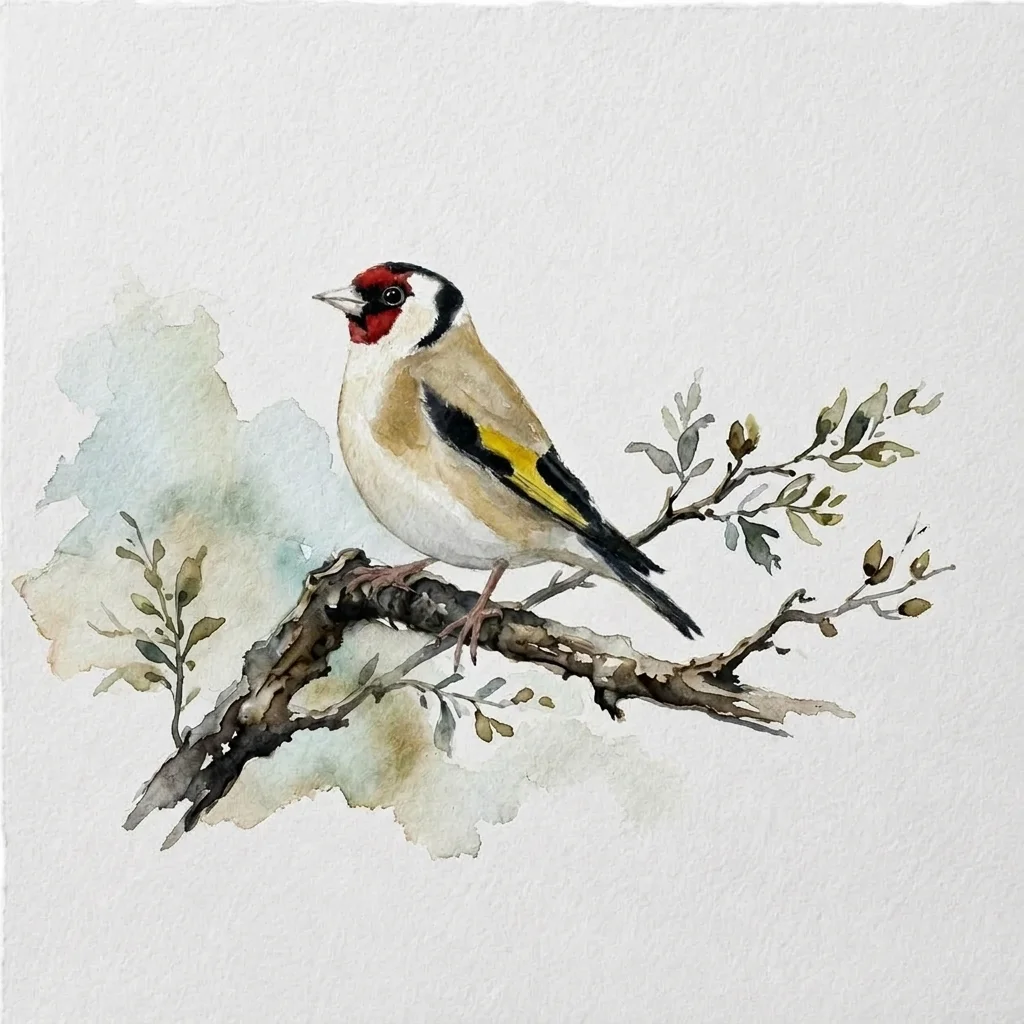
In watercolor, white isn't something you add — it's something you protect. The brightest highlights in your painting are simply the paper you didn't touch. The moment you cover the entire surface edge to edge, the painting starts to feel heavy and suffocated.
Three things worth doing deliberately:
- Unfinished edges: Let your background wash fade out organically rather than painting it to the edge. An unfinished edge feels intentional and airy, not incomplete.
- Leave tiny unpainted gaps: Leave gaps between shapes — between a wing and a branch, between petals. These small white sparks give the painting energy and light in a way no paint color can replicate.
- Suggest details: Suggest details rather than drawing them. A few confident strokes that imply feather texture will always read better than every feather carefully rendered. The viewer's brain fills in the rest, and it does it better than your brush can.
THE HARDEST PART OF WATERCOLOR ISN'T PAINTING. IT'S STOPPING.
The painters whose work looks effortless and alive aren't more talented — they're just better at walking away. That restraint is a skill, and like every skill in watercolor, it gets easier the more deliberately you practice it.
Next time you feel the urge to add one more detail, ask yourself one question: Am I adding this because the painting needs it, or because I need it?
If it's the second one, put the brush down.
You've completed the beginner pathway! Ready to practice?