Fixing Final Stage Mistakes: How to Rescue a Painting Without Making It Worse
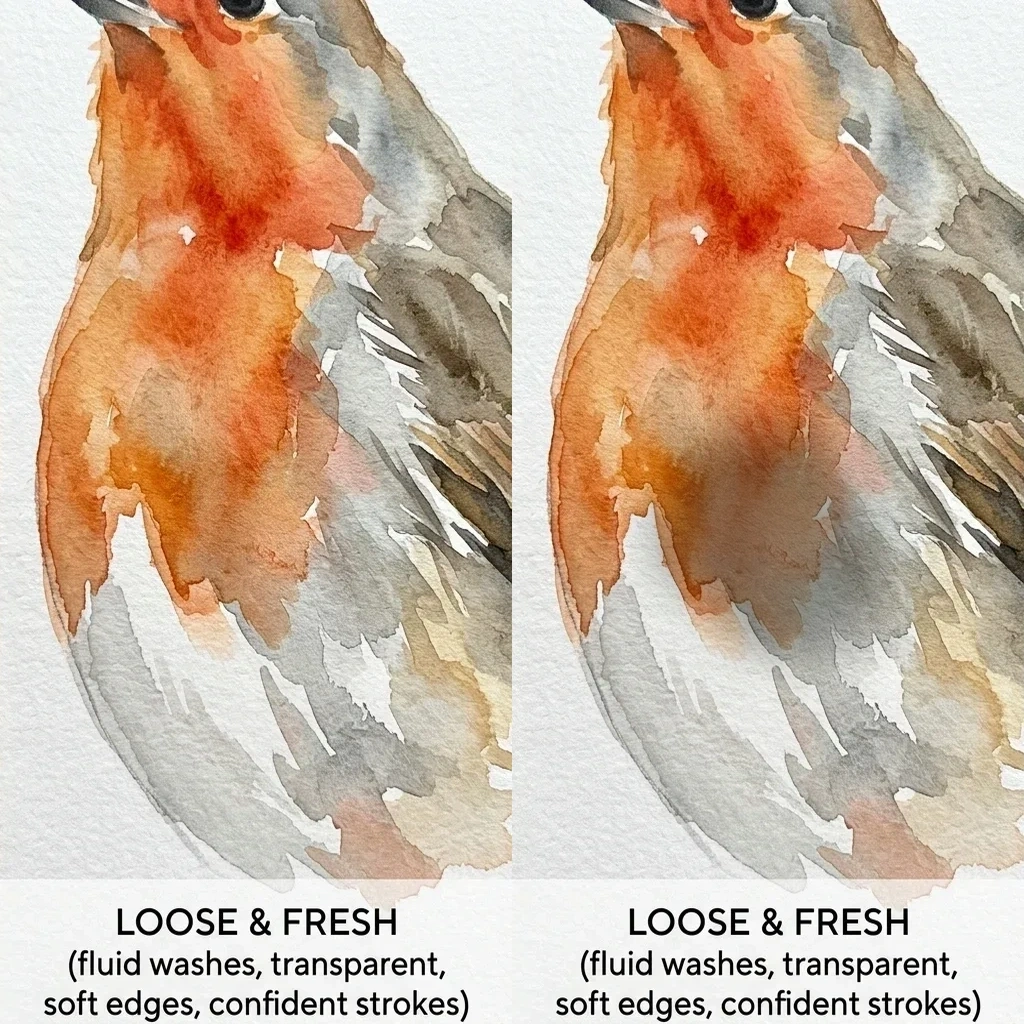
"You're 90% finished. The painting looks good. But you decide to add 'just one more thing,' and suddenly the magic is gone. What happened?"
We've all been there. It's tempting to keep tweaking, correcting, and refining. But watercolor punishes hesitation and rewards a loose approach. Often, knowing what not to paint at the end matters more than what you add.
Why Paintings Often Go Wrong at the End
The last 10% of a painting is the tricky part. The foundation is set, the washes are dry, and the forms are there. But when we look closely, we often notice flaws instead of seeing the whole picture.
That's when the temptation starts: just one more shadow to boost the contrast, a few extra feather lines on the wing, or a quick scrub to fix a hard edge. Before you know it, the light is gone, the colors turn muddy, and the painting loses its life. Knowing when to stop is half the battle.
Mistake #1 — Adding Too Much Detail
It's easy to think that adding more detail makes a painting look more real. In watercolor, though, it often does the opposite.
If you try to paint every feather line on a bird's breast, the texture can look stiff and crowded. The viewer's eye has nowhere to rest, and the sense of depth fades. Instead, suggest the direction and grouping of feathers with a few confident strokes over your first washes. This approach does much more than painting every detail.
Mistake #2 — Making Shadows Too Dark
If an area looks flat, it's natural to reach for a darker color to boost the contrast. But adding layer after layer, especially with opaque or heavily granulated pigments, quickly destroys the painting's transparency.
Before adding darker colors, check if you can fix the problem by keeping the lighter areas instead. If you really need to darken a shadow, mix your color with confidence and apply it in one go. Don't scrub or try to fix it afterward.
Mistake #3 — Too Many Hard Edges
Not every edge has to be sharp. If every line in a painting stands out the same way, the viewer's eye gets tired and nothing feels important.
Keep your sharpest, most contrasting edges for the focal point, like the eye and beak of a bird. Let the other areas stay soft. The back of the head, the belly, and the tail can fade into the background. Let those edges blend away. This creates depth and guides the viewer's eye where you want it.
Mistake #4 — Trying to Fix Everything
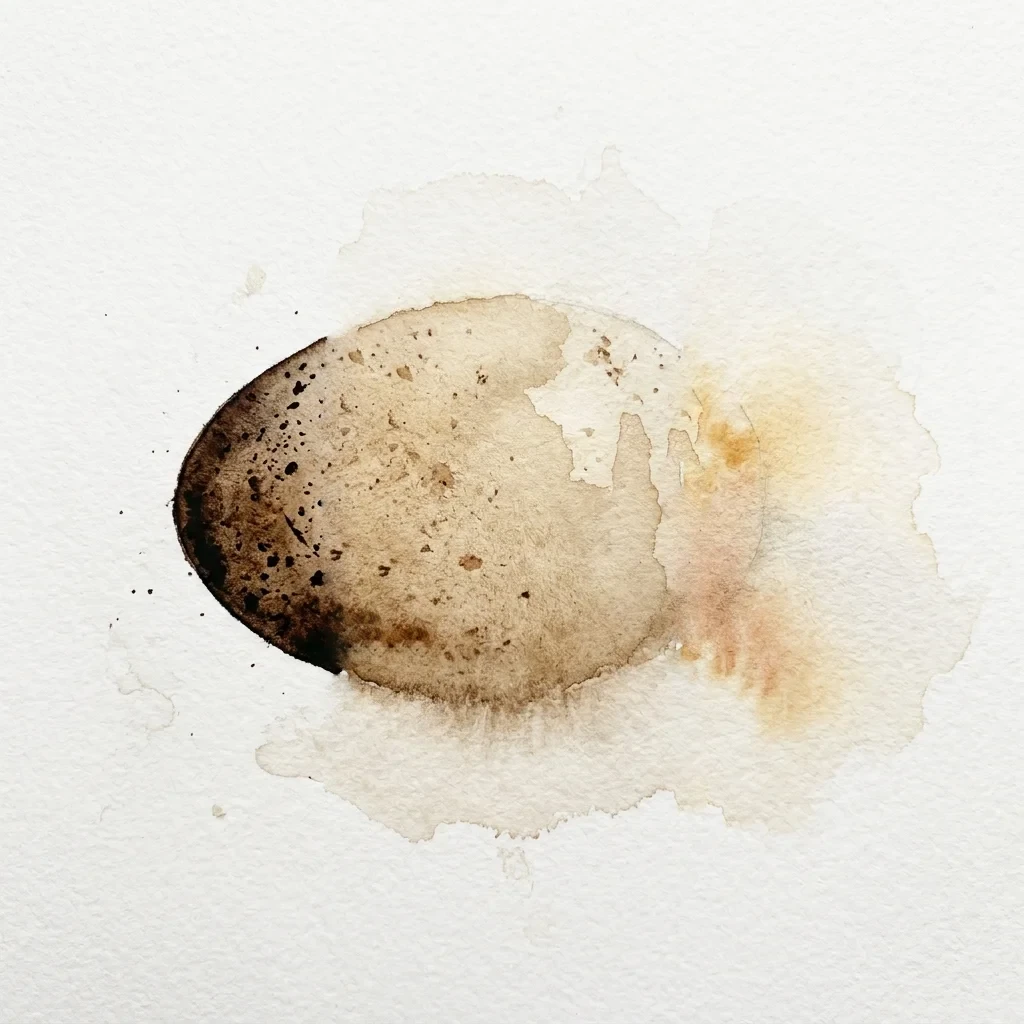
Watercolor often blooms, bleeds, and settles in unexpected ways. If you try to fix these things at the end, you usually just make them stand out more.
If a wash dried with a small cauliflower in the background or a color bled a bit outside the lines, ask yourself honestly if it really ruins the painting. Most of the time, it doesn't. These little imperfections often make a watercolor feel more alive.
Knowing When to Stop
Before you pick up the brush again, ask yourself three things:
- Does it need it?
- Will it genuinely improve the painting?
- Am I making it better, or just making it different?
If you hesitate on any of these questions, put the brush down. Your painting might already say everything it needs to.