Painting loosely: how to stop overworking your art
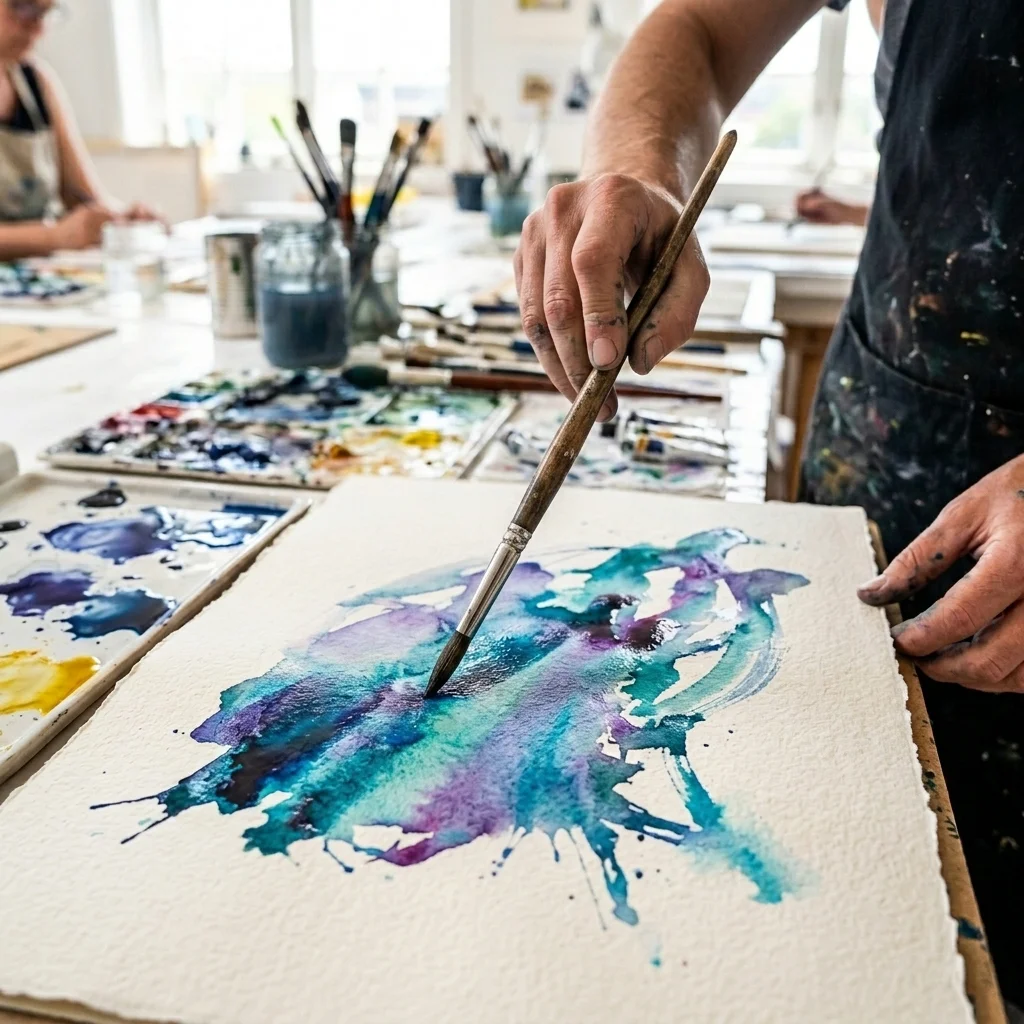
"I want a loose, expressive style, but my paintings always end up looking tight, overworked, and stiff."
The word 'loose' comes up all the time in watercolor painting, but it’s also the hardest style to master naturally. Paintings look tight and stiff when you try to control a medium that really wants to move and flow on its own.
To make your paintings looser, you need to relax both your grip and your mindset. Even small changes to how you set up can help you paint with more freedom.
Change Your Grip
If you hold your brush close to the metal ferrule, like you would a pencil, your brain wants to make tight, small lines. Your wrist stays stiff, and your brushstrokes end up looking cramped.
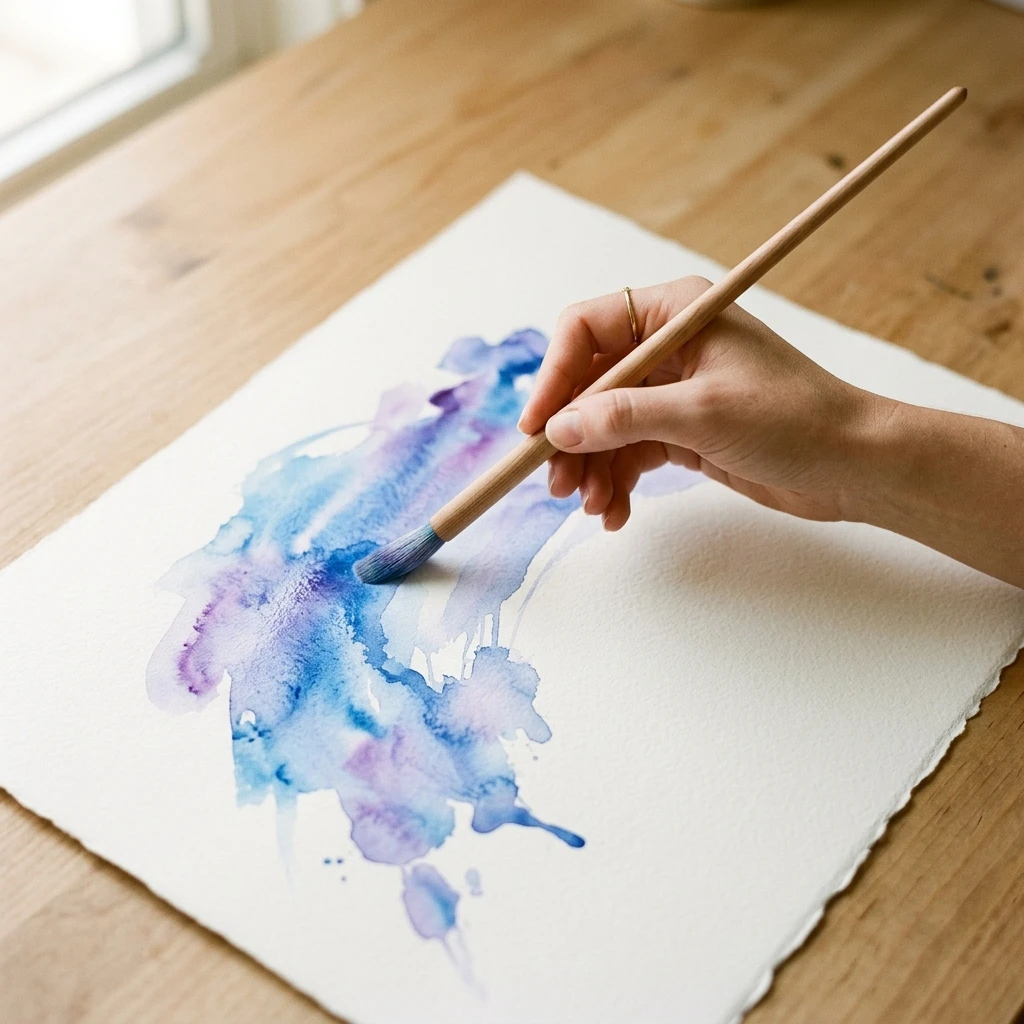
HOLD IT FROM THE BACK
Hold your brush at the very end of the handle. This makes it impossible to micromanage the tip, so your brushstrokes will quickly become more sweeping, confident, and full of energy.
Size Up Your Brushes
A small brush takes many strokes to fill an area, but a large mop brush lets you cover more space with fewer strokes.
Using the right brush is key for painting loosely. If you’re curious, I share my favorite large mop brushes on my Recommended Materials page.
- A good rule of thumb is to pick a brush that feels just a bit too big for the area you’re working on.
- Don’t scrub your paint. Put it down in one confident stroke and leave it. Scrubbing takes away the glow.
- Let your colors mingle. Drop two wet colors next to each other and let them meet. Let the water mix them on the paper instead of on your palette.
I hope these tips help you paint more loosely! Try using a brush that’s a bit bigger than you think you need, and remember to hold it near the end of the handle.
Continue learning with the next step in this watercolor series.