How to suggest feather texture without painting every feather
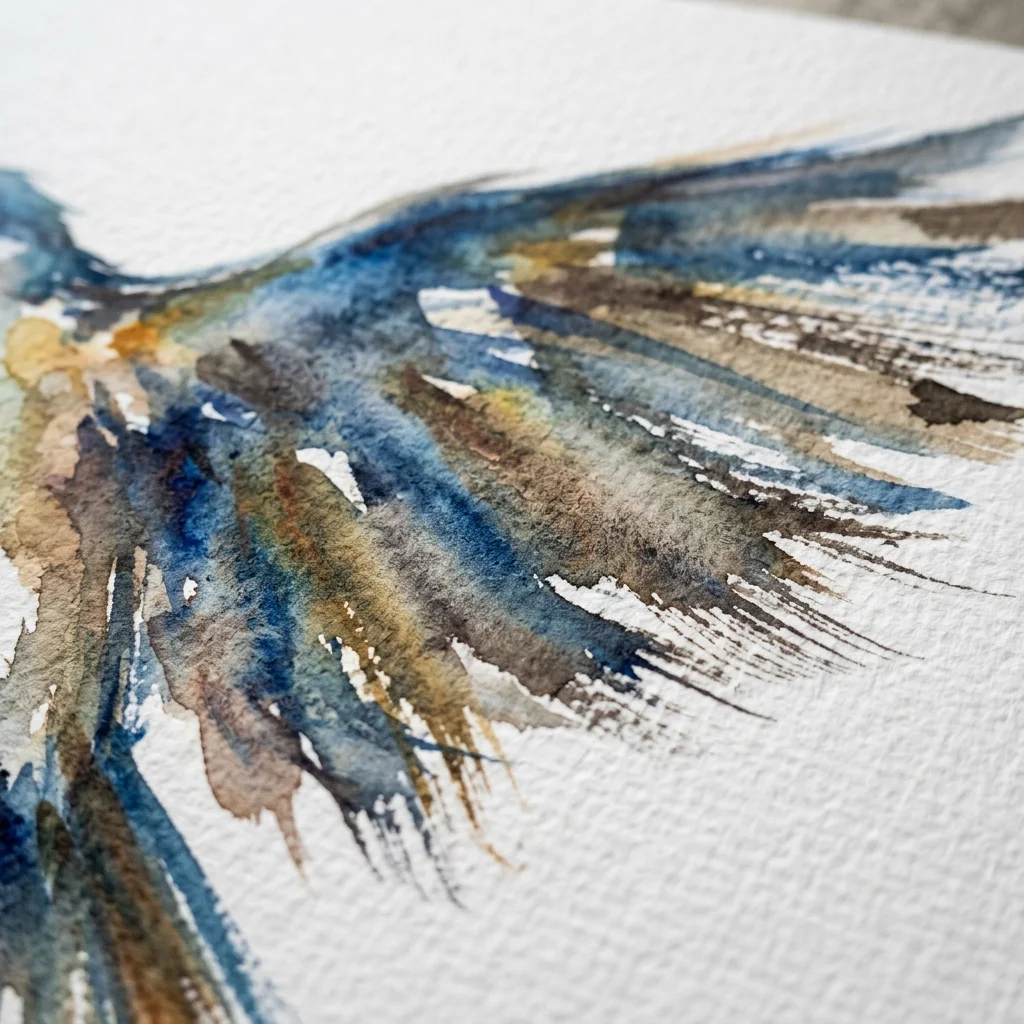
"My bird paintings look stiff and overworked because I spend hours trying to draw every single feather with a tiny brush."
If you look closely at a bird, you’ll notice thousands of overlapping feathers. It’s easy to want to copy all that detail by painting each feather one at a time.
But watercolor works best when you suggest details instead of painting everything. The most impressive watercolor paintings make you see complex textures without actually drawing each one.
The Dry-Brush Technique
Cold-pressed and rough watercolor paper has a bumpy surface, called the tooth. When you quickly drag a brush with thick paint and little water across it, the paint sticks to the raised bumps and leaves white speckles.
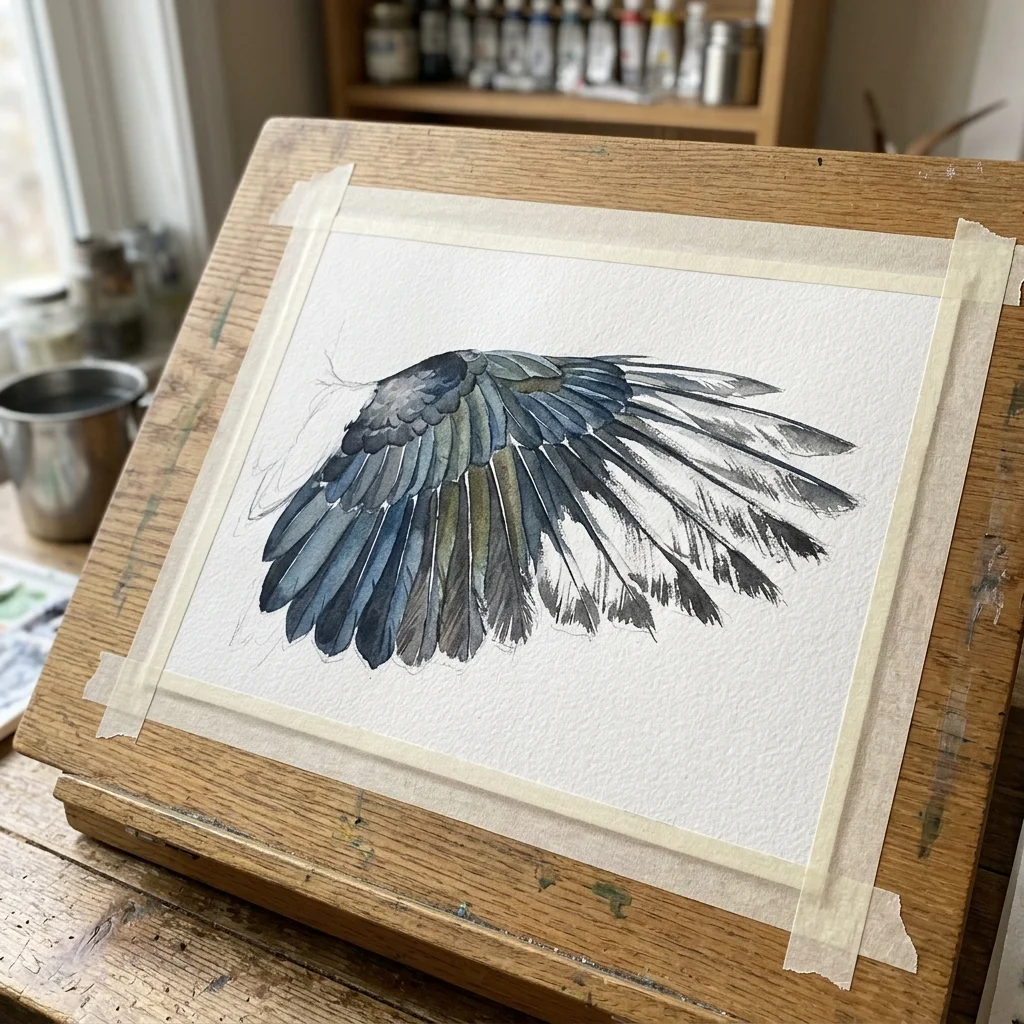
SKIMMING THE SURFACE
This broken, natural texture is great for showing the soft, ruffled look of feathers on a bird’s belly or wing. Load your brush, tap off extra water on a paper towel, and gently drag the side of the bristles flat across the paper.
Painting the Masses, Not the Details
Don’t start by drawing feather outlines. Instead, squint at the bird and notice the big shapes of light and shadow. Paint those big shapes first.
- Group the feathers together: Paint a whole wing or tail section as one wash of color.
- Just add detail to the very outer edges of the bird’s shape. If the edge looks textured, our eyes will fill in the rest.
- Try negative painting: Instead of painting the feather itself, paint a dark shadow underneath it. The unpainted area above will stand out as a feather.
I hope these tips make painting wings feel easier. Let the dry-brush texture do most of the work instead of drawing every feather.
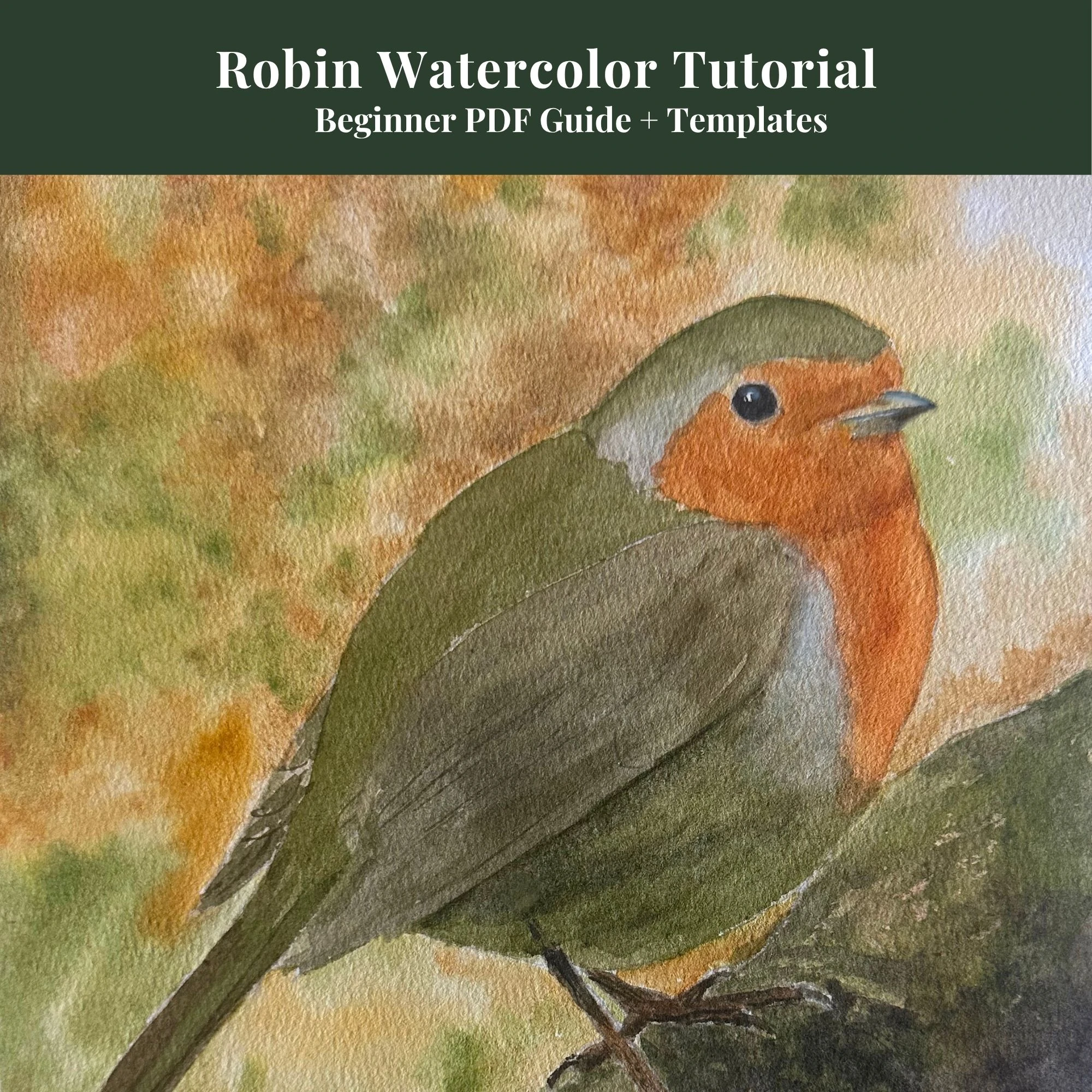
Beginners Robin Tutorial
Complete 13-page digital guide showing you step-by-step Robin wash layers.
View on Etsy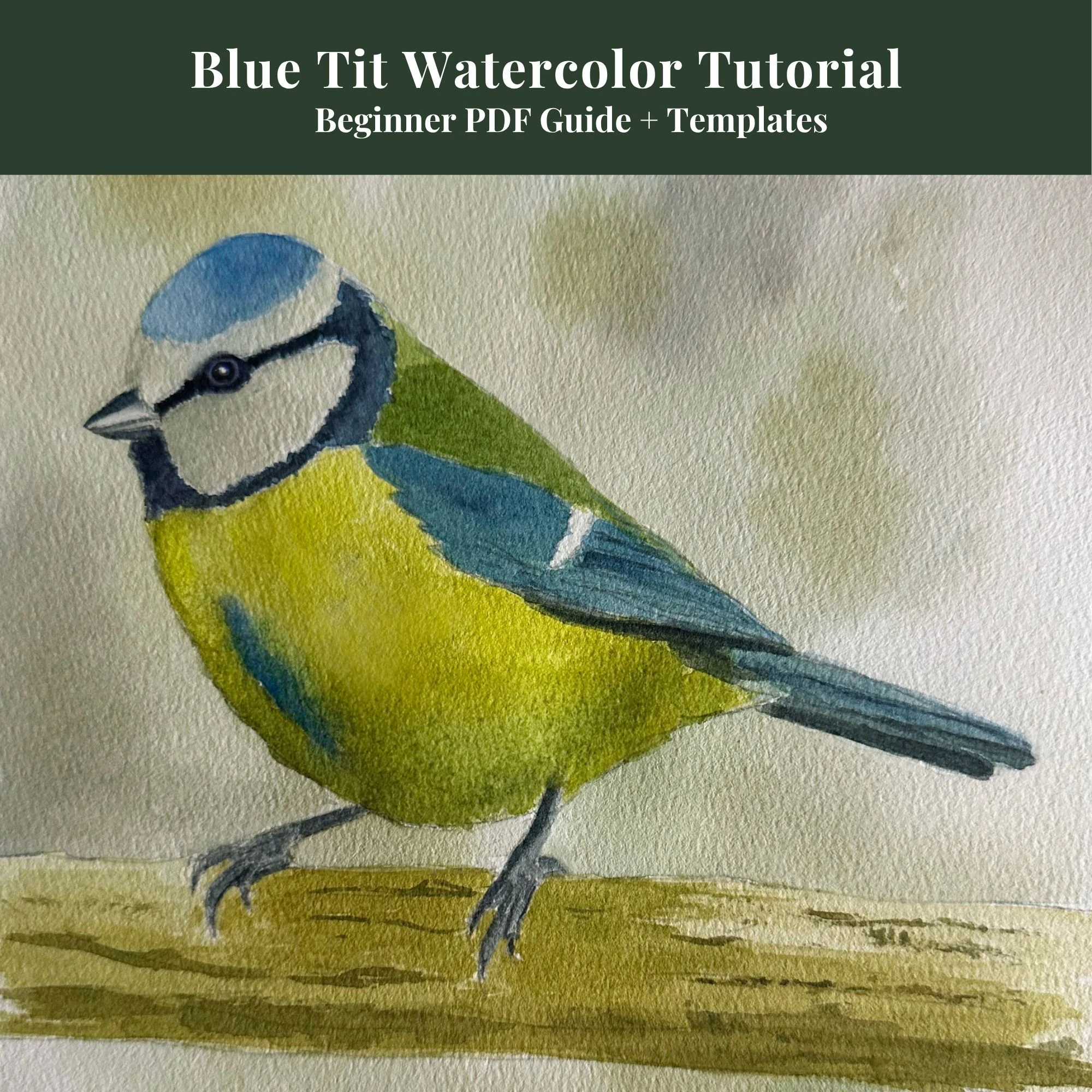
Beginners Blue Tit Tutorial
Learn my simple 4-stage color layering method with outlines included.
View on Etsy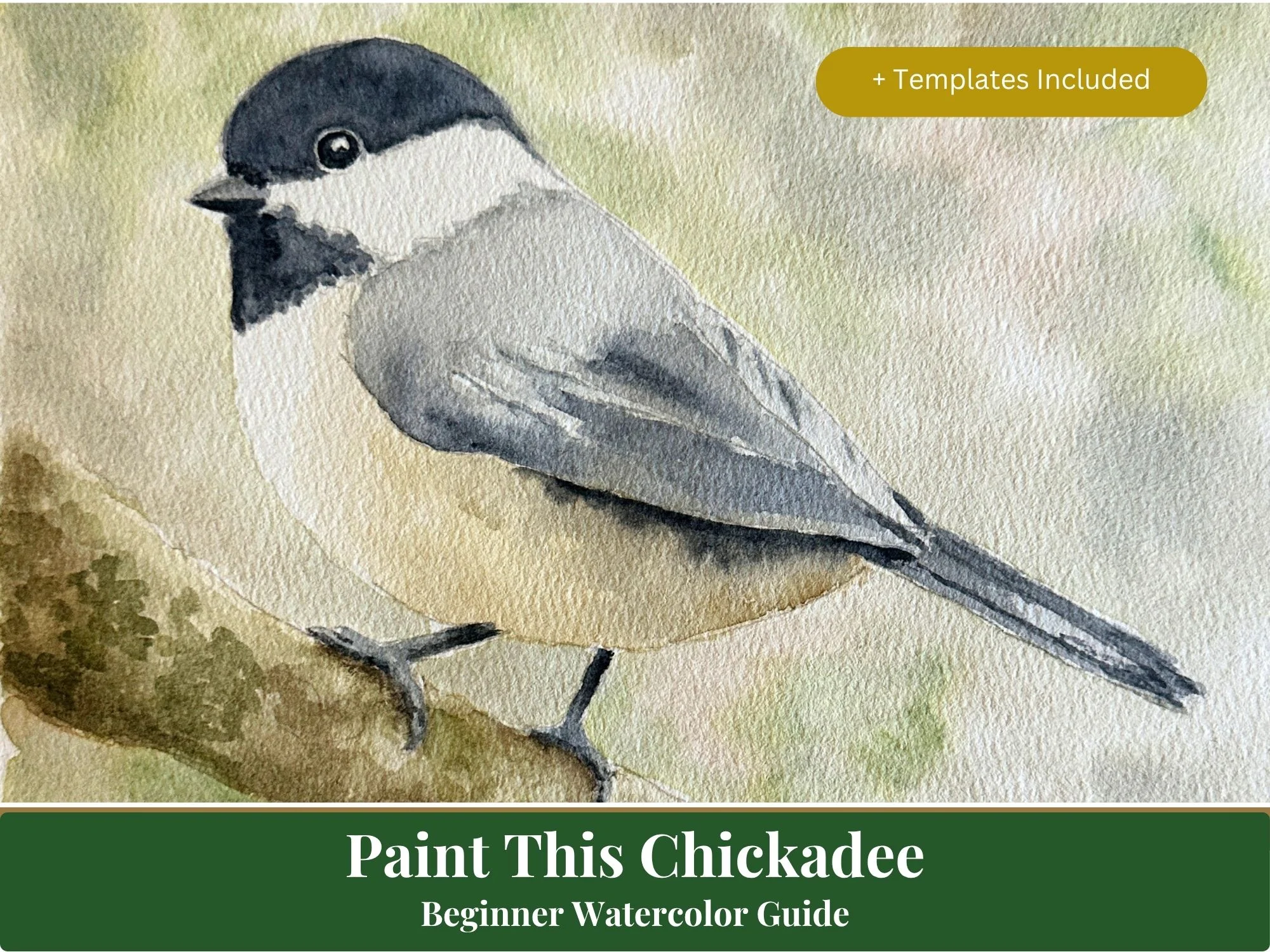
Beginners Chickadee Tutorial
A detailed beginner's guide covering head, bib, and wing glaze details.
View on Etsy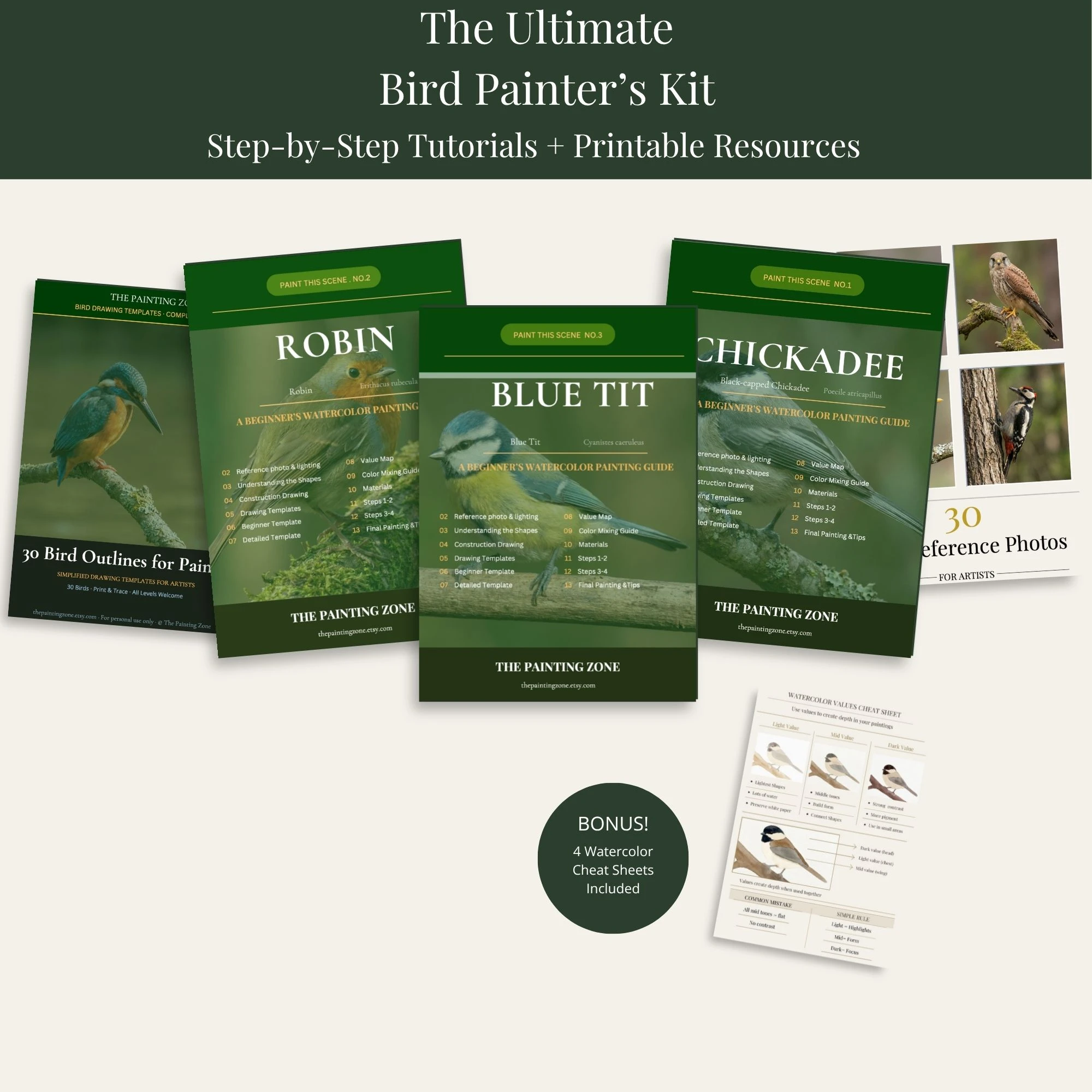
Ultimate Bird Painter's Kit
My master bundle combining step-by-step guides, 30 outlines, and cheat sheets.
View on EtsyContinue learning with the next step in this watercolor series.