Soft Edges in Watercolor: How to Keep Your Paintings from Looking Cut Out
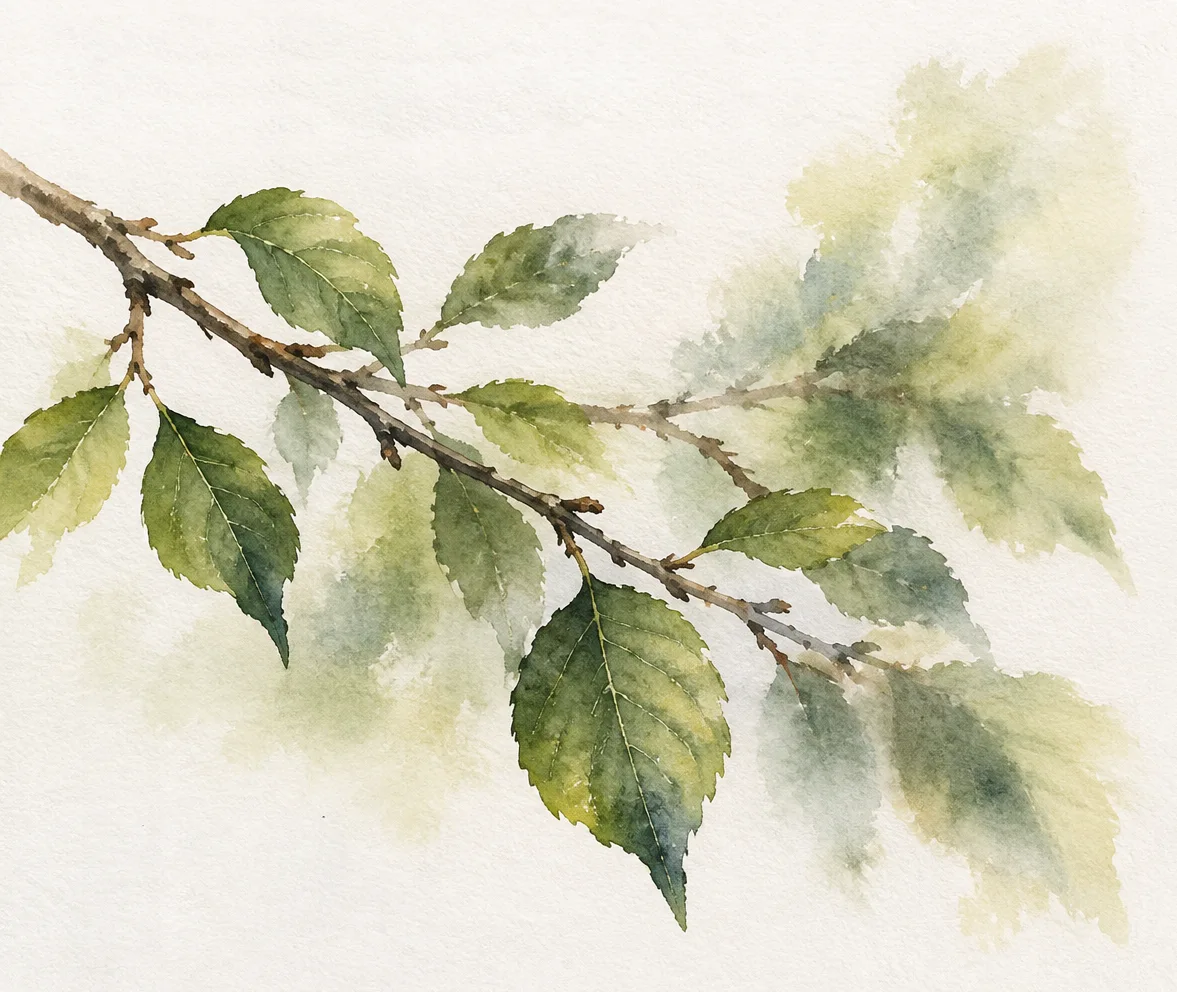
"My colors are right and my shapes are accurate, but my subject still looks like a sticker on the paper instead of something alive."
A watercolor painting might have great colors and accurate shapes but still look stiff or unnatural. This often happens when every edge is painted with the same sharpness. In watercolor, some edges should be crisp, while others can be softer or even fade away. If you learn to mix sharp and soft edges, your paintings will look more natural and less "cut out."
1. Not Every Edge Needs to Be Sharp
When you look at something, it might seem like you need to paint its whole outline. But in watercolor, you don’t have to show every edge. A hard edge shows exactly where one shape ends, while a soft edge lets a shape blend into the background. Using both types of edges adds variety and keeps your painting from looking too outlined.
2. Three Ways to Create a Soft Edge
There are a few ways to soften an edge, but you don’t have to make it complicated. The easiest way is to paint on slightly damp paper and let the paint spread on its own. You can also paint on dry paper, then use a clean, damp brush to gently soften the edge. Just remember to use less water than you think you need. Too much water can make the paint spread too far.
- Paint into damp paper. This lets the pigment spread naturally.
- Soften with a damp brush. This gives you more control.
- Let the paint fade. Gradually use less pigment so the edge disappears instead of stopping suddenly.
3. Look Closely at the Edges
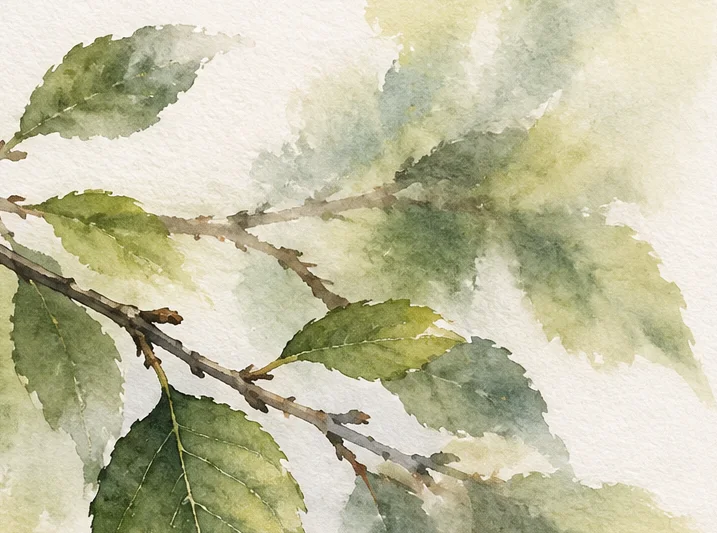
Take a close look at this part of the painting. Some leaves have sharp, clear edges, while others blend softly into the background. The branch can have both sharp and soft edges, too. These small differences really change how the painting feels.
You don’t have to soften every edge. The mix of sharp and soft edges is what makes this technique effective.
4. Where Should You Use Soft Edges?
Soft edges are helpful when you don’t want a part of your painting to stand out too much. They work well for backgrounds, overlapping shapes, shadows, and things that are far away. Hard edges catch the eye and are good for important details.
Sharp edges draw attention. Soft edges help the viewer’s eye move around the painting.
5. Don't Soften Everything
After you learn about soft edges, you might want to use them everywhere. But if every edge is soft, your painting can look blurry and lose its shape. The goal is not to make everything soft, but to mix sharp and soft edges so some parts stand out and others fade away.
6. A Simple Exercise
In your next painting, try to keep some edges sharp and others soft. Paint the same simple shape twice—once on dry paper and once on damp paper—and see how they look different. When you finish, check if every edge in your painting is really needed.
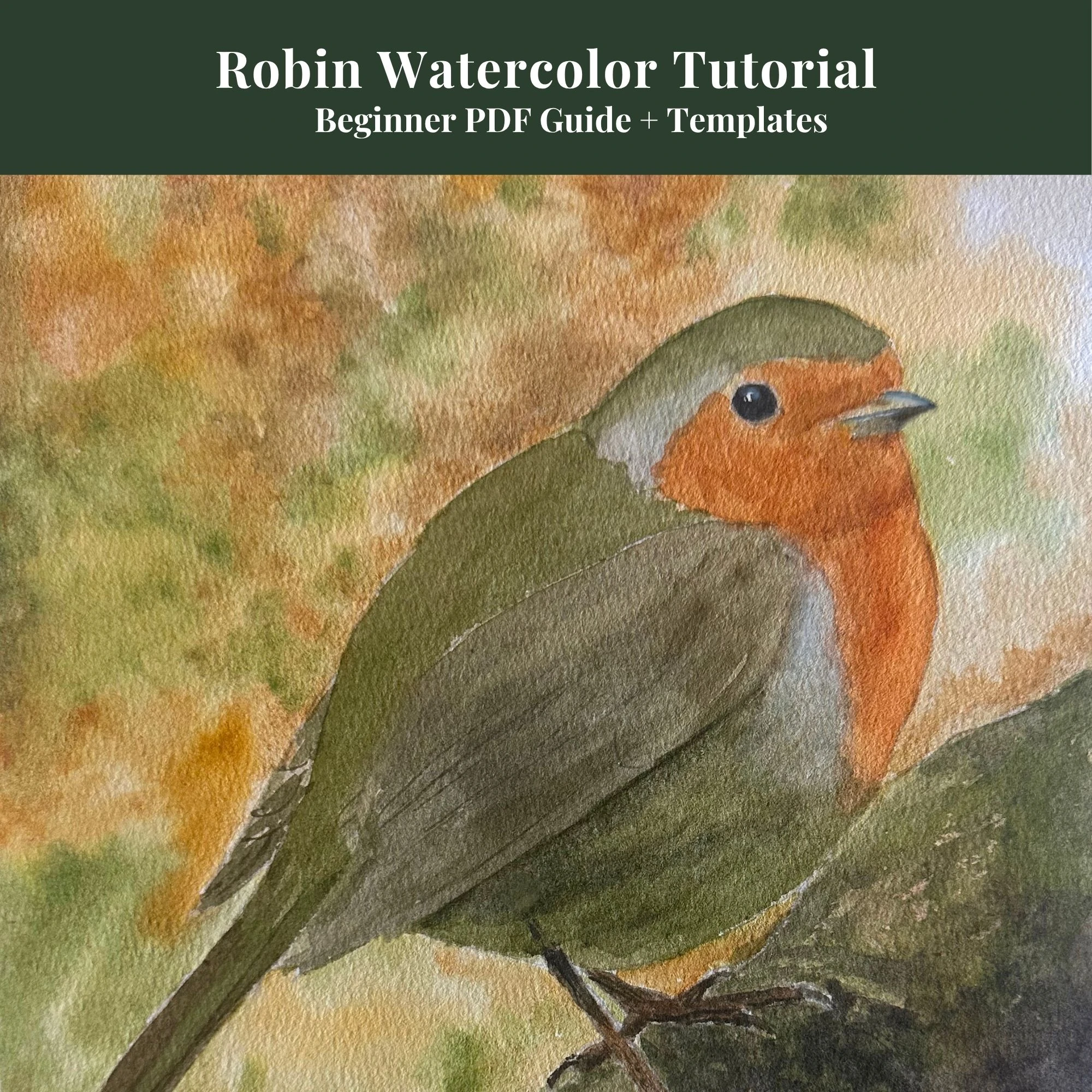
Beginners Robin Tutorial
Complete 13-page digital guide showing you step-by-step Robin wash layers.
View on Etsy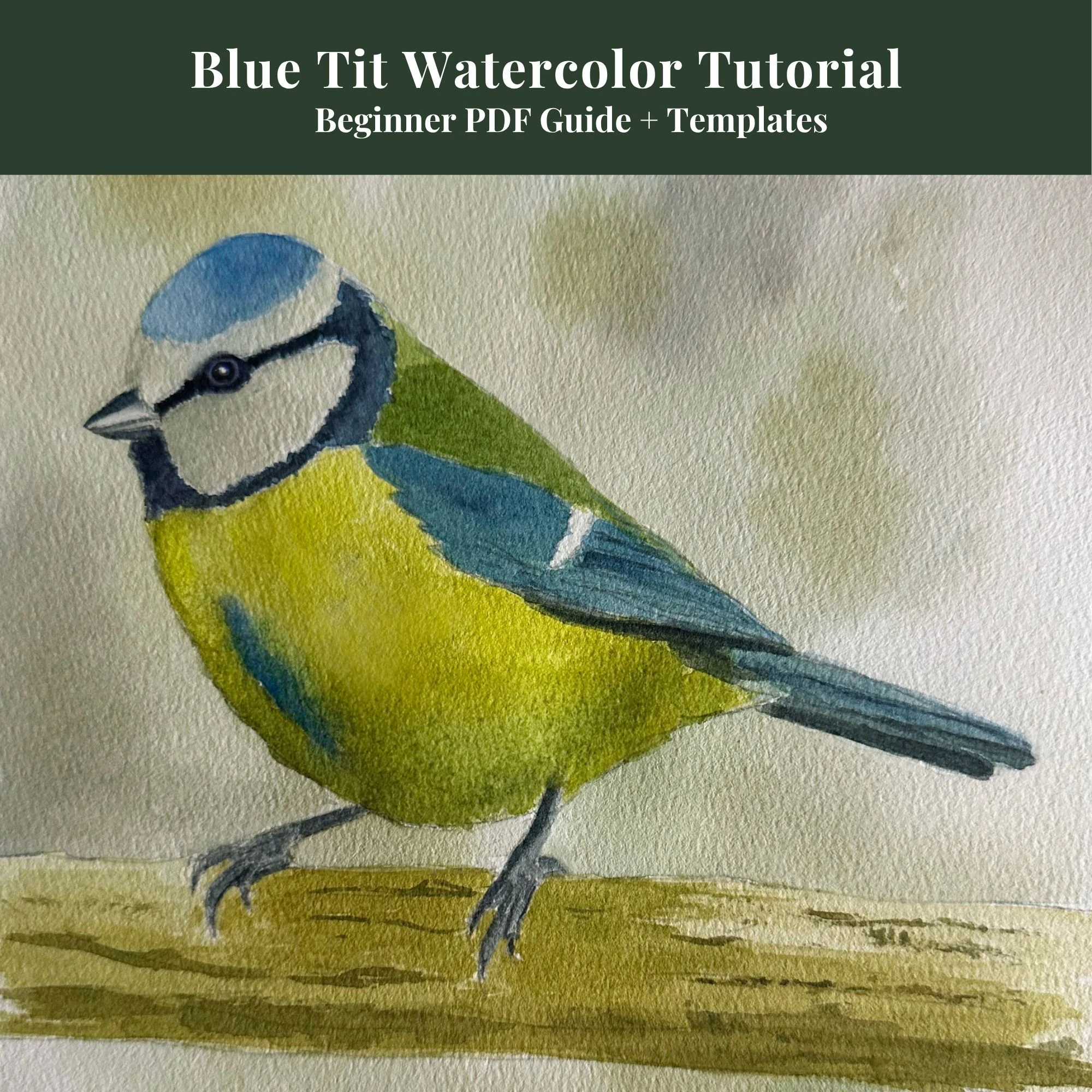
Beginners Blue Tit Tutorial
Learn my simple 4-stage color layering method with outlines included.
View on Etsy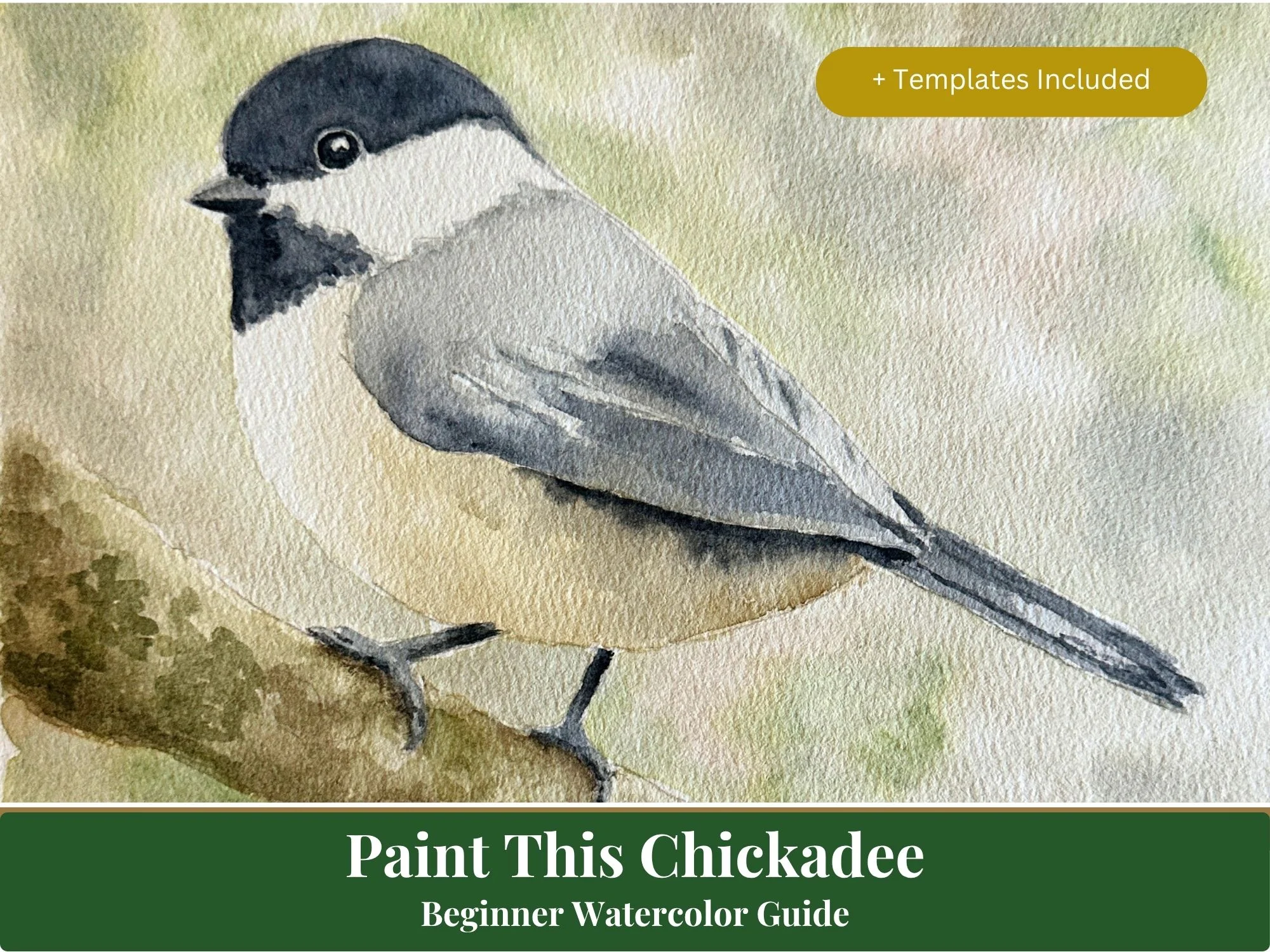
Beginners Chickadee Tutorial
A detailed beginner's guide covering head, bib, and wing glaze details.
View on Etsy
Ultimate Bird Painter's Kit
My master bundle combining step-by-step guides, 30 outlines, and cheat sheets.
View on EtsyContinue learning with the next step in this watercolor series.