Why Watercolor Goes Wrong Before You Even Start
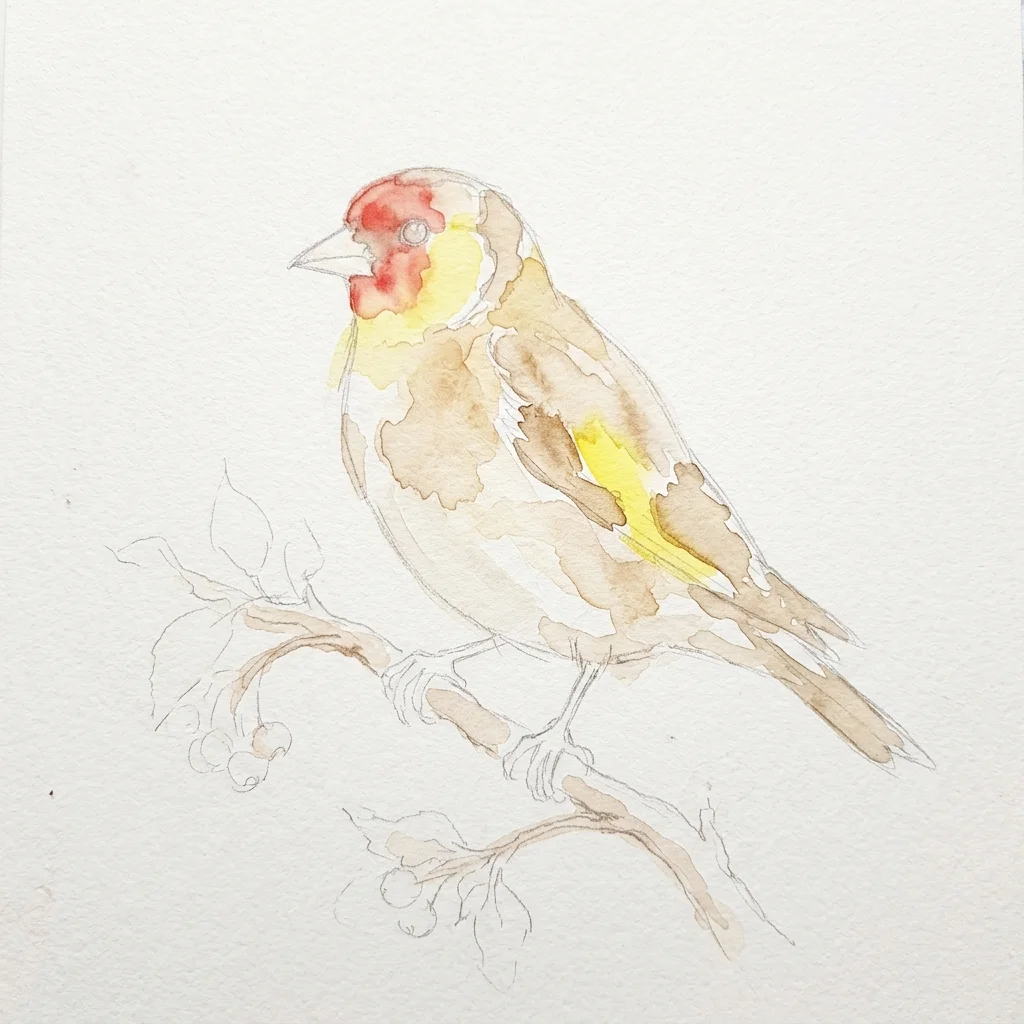
"You’re ten minutes into a painting and you can already tell something isn’t right. You wish you could hit Ctrl+Z, but watercolor doesn’t work that way. This usually happens when you start painting without a clear plan. Here’s what you should decide before you begin."
Watercolor is a medium of momentum. Once the paper is wet, the clock starts ticking, and the window for making big decisions closes fast. Most beginners treat the painting process as a series of in-the-moment decisions, but by then, it's often too late. To succeed, avoid the five traps that ruin a painting before the first wash even dries.
The 5 Planning Traps
- 1. The Focal Point Trap: You didn't decide your focal point, and now everything is competing for attention. If you paint every feather on the bird with the same level of detail and contrast, the viewer's eye has nowhere to rest. As I discussed in my guide on painting loosely, overworking every inch of the paper is the fastest way to lose the life of the piece.
- 2. The Missing Light Trap: You didn't protect your lights, and now they're gone. You can't get them back. In watercolor, the paper is your white paint. If you forget to map out the highlights on the beak or the glint in the eye, you can't simply "paint them back in" later.
- 3. The Value Trap: You didn't map your darks, and now you're adding more paint trying to fix it. Without a clear understanding of where your strongest shadows will be, your painting will look flat. Beginners often end up with a "mid-tone mess" because they were too timid with their initial darks.
- 4. The Background Trap: You didn't plan your background, and now the bird is finished. You're afraid of painting around it. This is the most common fear in watercolor. If you don't decide how the bird connects to the space around it from the start, the background will always feel like an afterthought. (For more, see my tutorial on simplifying backgrounds).
- 5. The Muddy Color Trap: You chose colors as you went and now everything is muddy. Over-mixing on the paper happens when you're trying to find the "right" color while the wash is drying. This is exactly why watercolor turns muddy. A pre-set palette prevents the accidental grays that ruin a clean bird portrait.
The good news is that each trap has a simple fix. One decision made before you start closes the door on it entirely.
How to Avoid Each Trap
For the Focal Point: Decide on the one area of highest contrast and detail before you mix a single drop of paint.
For the Lights: Physically mark your "must-save" highlights with a light pencil or masking fluid.
For the Values: Do a 2-minute thumbnail sketch to find your darkest shadow and your brightest light.
For the Background: Decide if the background is a hard edge or a soft bleed before the bird's edges dry.
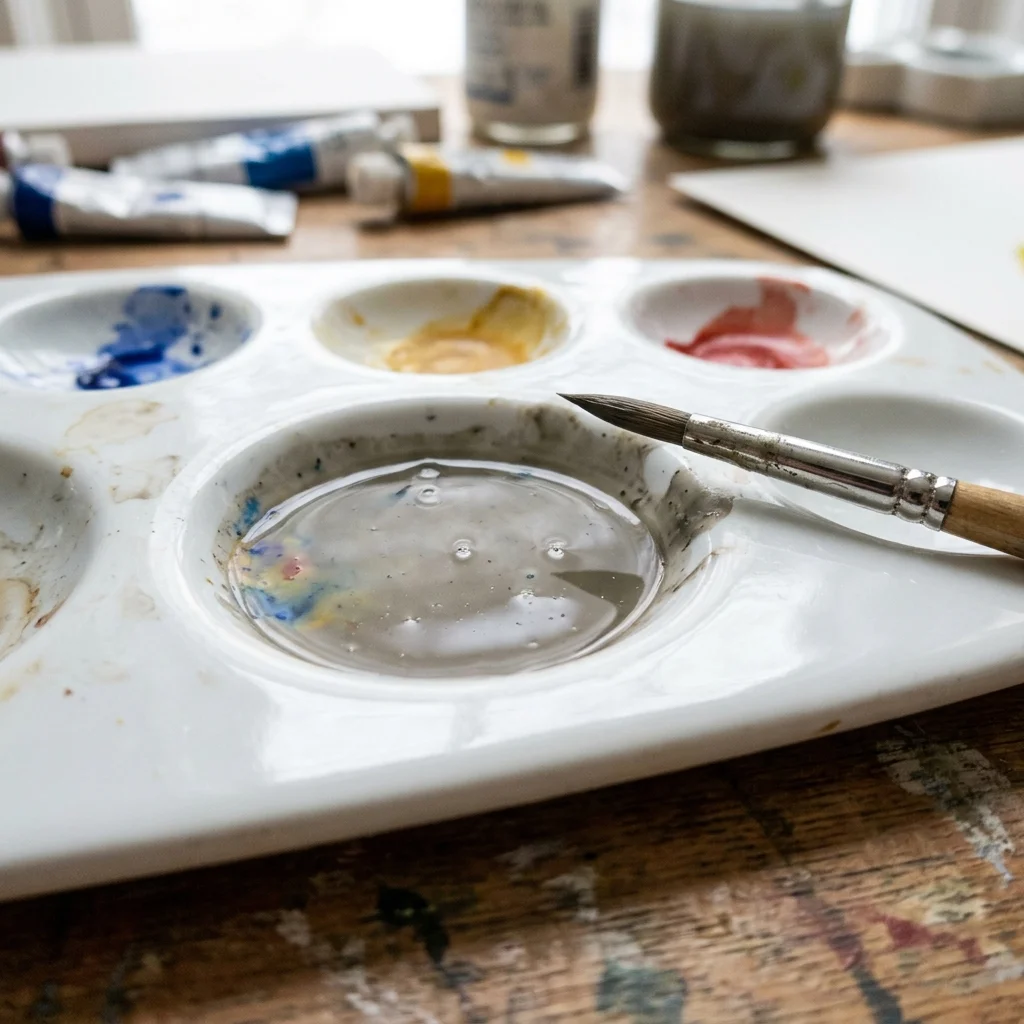
For the Color: Limit your palette to three core colors and test their mixtures on a scrap piece of paper first.
In my next guide, I'll look at the exact step-by-step planning process I use to ensure every painting has a solid foundation before I even pick up a brush.
Continue learning with the next step in this watercolor series.