Why Your Watercolors Look Muddy and How to Fix Them
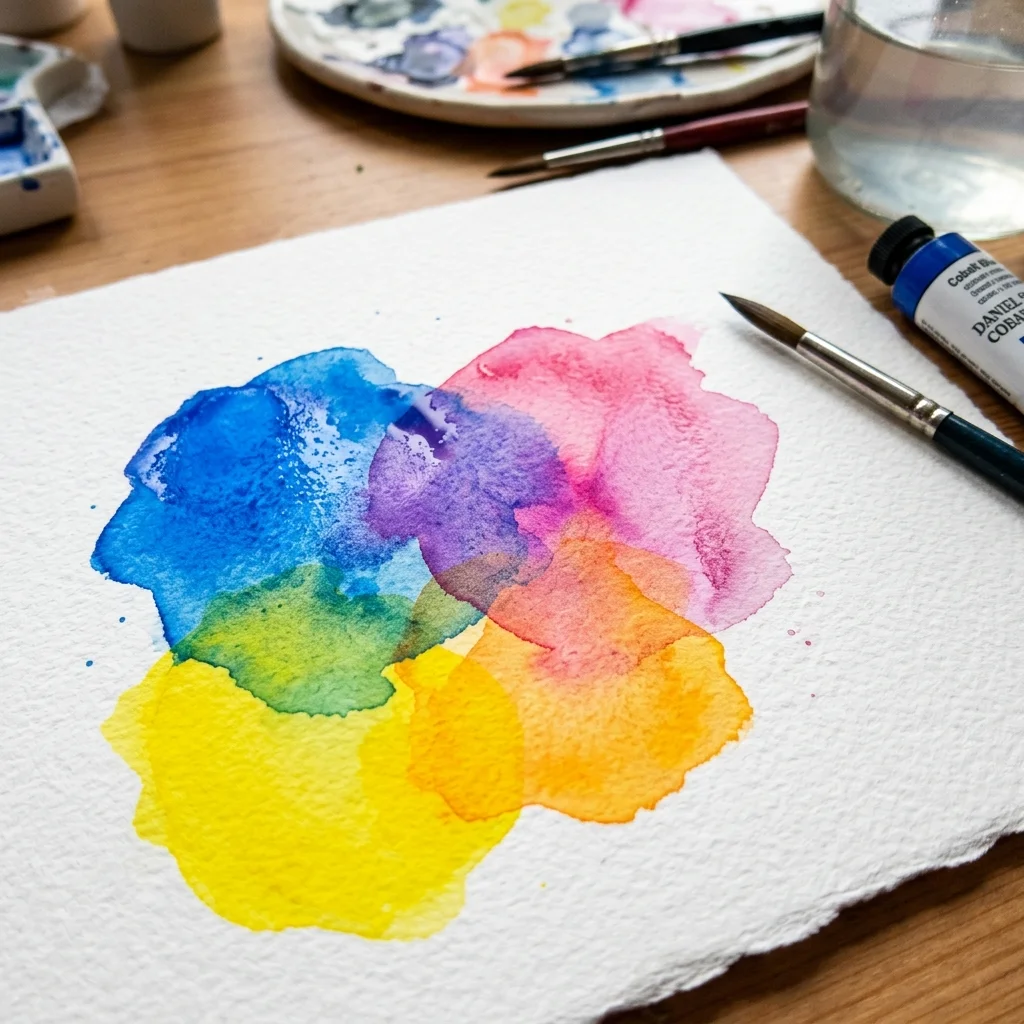
"Why do my bright colors always turn dull as soon as they touch the paper? It feels like all the energy disappears from my painting."
Do you find it hard to keep your colors bright and clean?
For many beginners, one of the most frustrating moments is painting something like a bright Blue Jay or a delicate flower, only to see the colors mix into a dull, gray mess.
You’re not the only one! Muddy watercolors happen to everyone, often because of a few small mistakes when mixing or layering. Here are some easy ways to fix muddy colors for good.
1. Stop Over-Mixing on the Palette
Most muddy watercolor problems start before your brush even touches the paper. When we try to get just the right color, we often keep adding more pigments to the mixing well, hoping to adjust it.
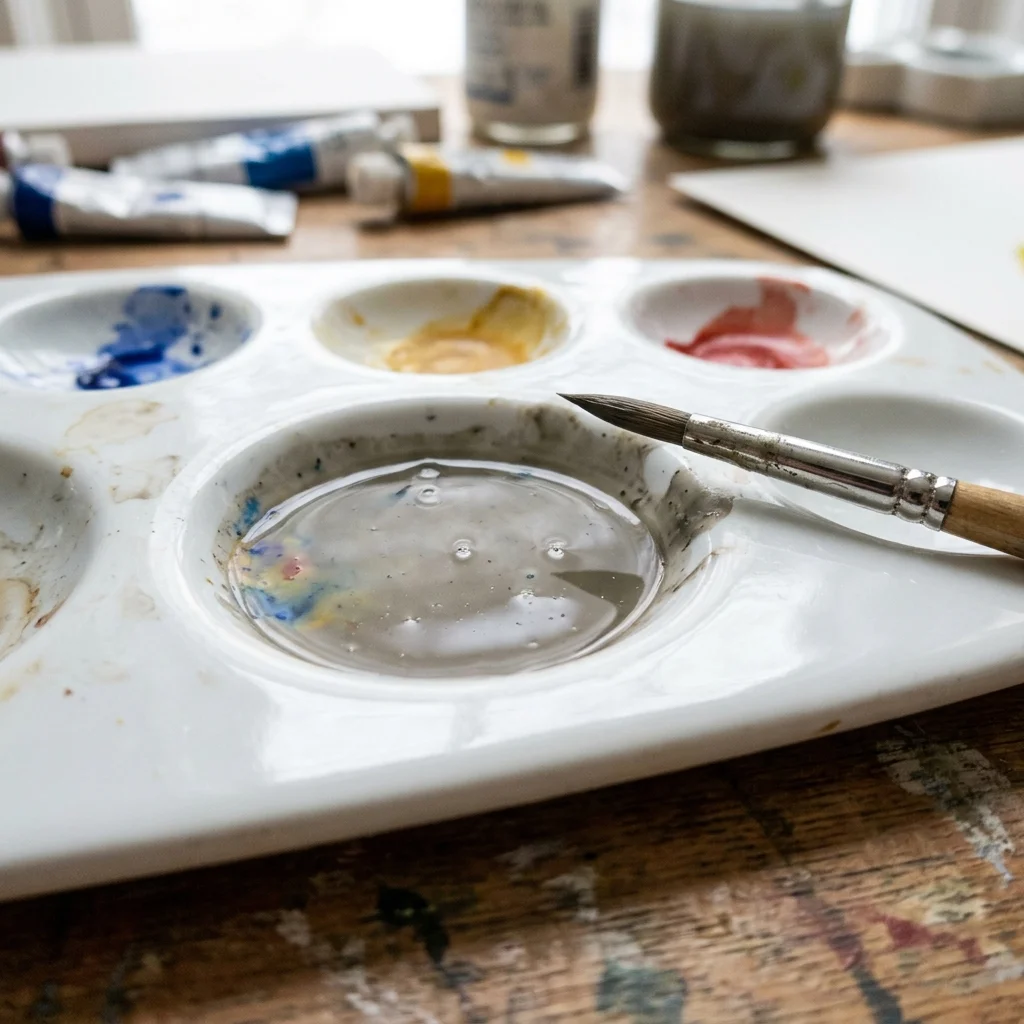
LIMIT YOUR PALETTE
Try not to mix more than three colors in one well. If you keep adding more pigments to get the perfect shade, the colors can cancel each other out, and you’ll get gray or brown before you even start painting. Keep your mixes simple. It’s okay if the color looks a little streaky in the well—those variations are what make watercolor lively.
2. Respect Your Layers and Drying Times
Muddy layers usually happen when we get impatient. Watercolor looks bright because the white paper shines through the transparent layers. But if you use a wet brush on paint that isn’t dry yet, the colors underneath mix with the new color and turn muddy right away.
MASTER YOUR DRYING TIMES
- Glazing: If you want to paint a shadow over a bird’s bright chest, make sure the first layer is completely dry. If it’s even a little damp, your brush will pick up the color underneath and the shadow will turn muddy.
- Wet-on-wet: If you want your colors to blend, put them both on a wet surface at the same time and let the water do the mixing.
- Danger Zone: Never paint on paper that’s only half dry. If it’s lost its shine but still feels cool, painting on it will create mud.
3. Keep Your Water Clean
It might seem obvious, but remember you’re painting with water. If your water jar looks dirty, every new color you mix will be affected.
Use two jars of water: one for rinsing your brush and one for clean water to mix colors. This helps keep your colors fresh.
Muddy watercolor isn’t really a color problem—it’s a process problem. If you fix your process, your colors will look much better.
Continue learning with the next step in this watercolor series.