Cotton vs. Wood Pulp Watercolor Paper: Does It Really Matter?
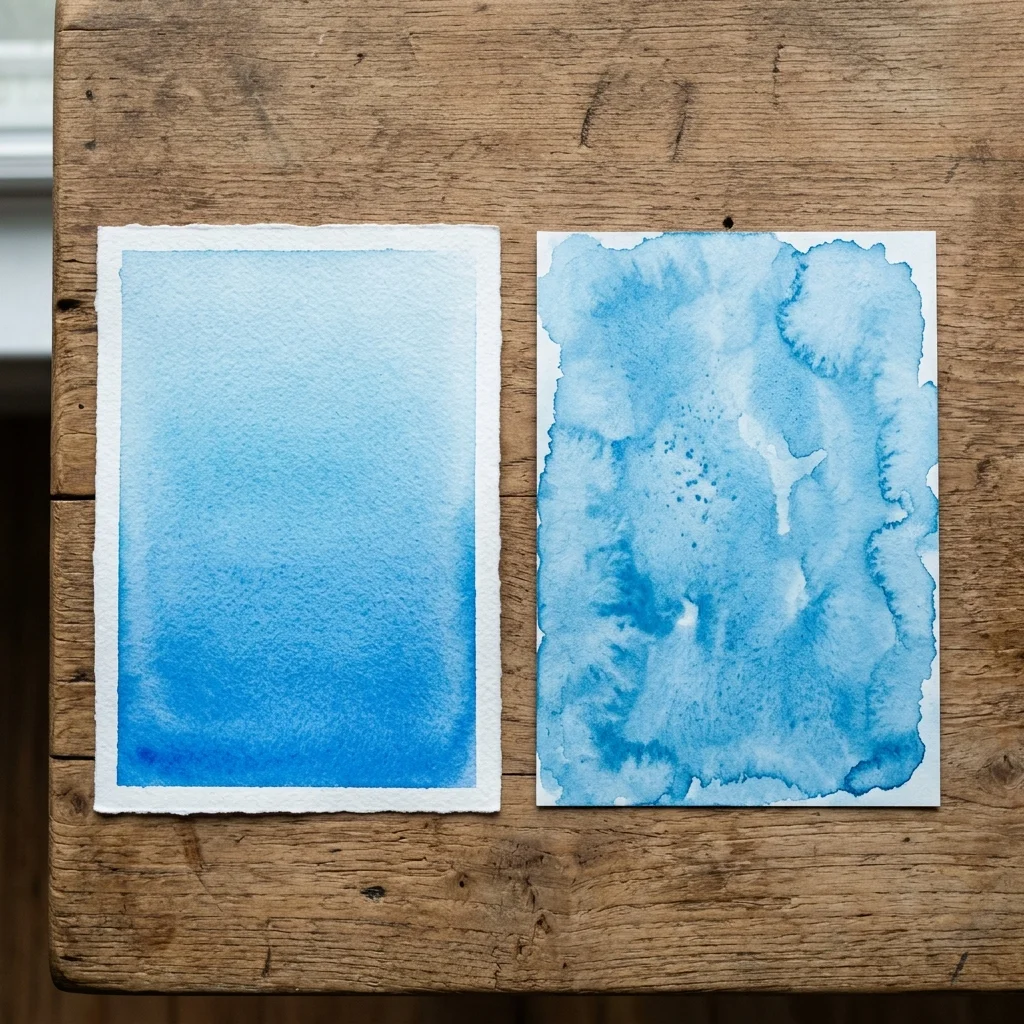
"You follow the tutorial carefully, use the same colors, and still your watercolor looks flat or patchy."
Many beginners think using better paint or softer brushes is the key to great watercolor art. Good paints help, but the paper you use matters most.
It’s really the paper, not the brush, that controls things like:
- Water flow: How evenly the water spreads.
- Softness: The ability to create gentle, atmospheric gradients.
- Layering: Whether you can glaze new colors over old ones.
- Lifting: The ability to scrub or lift out mistakes.
- Edges: Whether washes dry with hard, harsh outlines or smooth transitions.
Wood Pulp (Cellulose) Paper
Most beginners start with wood pulp paper because it’s easy to find and inexpensive.
- Pros: It’s cheap, good for practice, and easy to get.
- Cons: It dries fast, makes harder edges, pigments don’t settle evenly, and the surface can get damaged if you work it too much.
100% Cotton Paper
Cotton paper is what most professionals use for watercolor. It’s made completely from cotton fibers instead of wood.
Tip: I recommend using trusted brands like Arches or Baohong. You can check out the exact pads and blocks I use on my Recommended Materials page.
- Pros: It soaks up water evenly, blends colors easily, makes soft gradients, and lets you lift color without much trouble.
- Cons: It’s pricey, and beginners sometimes worry about wasting it.
The Difference in Practice
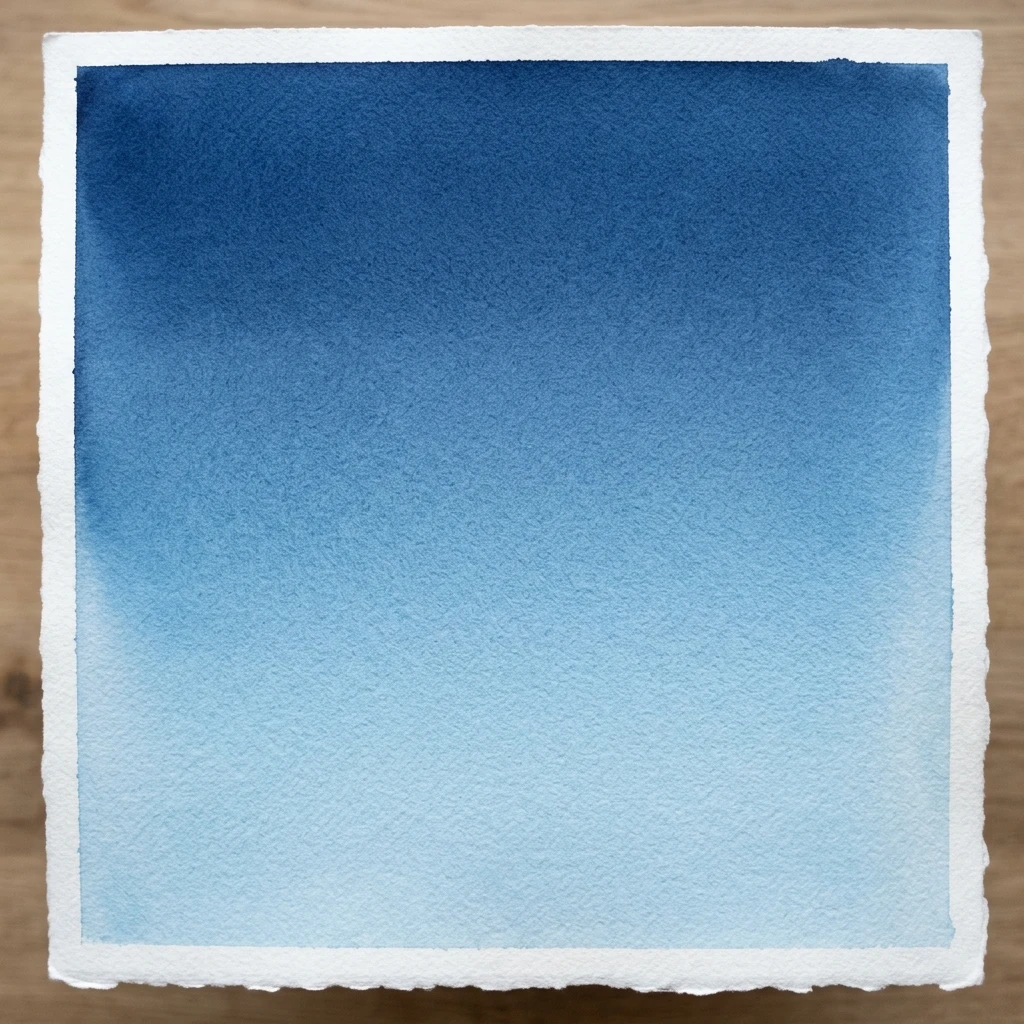
You’ll notice the difference right away when you paint a simple color wash. Cotton paper lets water and paint move smoothly, making a soft, even gradient. Wood pulp paper dries fast, resists the water, and leaves patchy spots and rough cauliflower edges.
THE BOTTOM LINE
Cotton paper won’t make you a better artist overnight, but it does make watercolor easier to handle. If you’re having trouble with patchy washes or hard edges, your paper is probably the reason.
Continue learning with the next step in this watercolor series.